Lung infection and treatment
Lung Abscess: Causes, Symptoms, Diagnosis and Treatment
A lung abscess is a pocket of pus that forms inside the lung after an infection damages lung tissue. It can cause fever, cough, chest pain, breathlessness and weight loss. Most people improve with antibiotics, although some need drainage or other specialist treatment.
- Symptoms
- Aspiration
- Chest CT
- Antibiotics
- Drainage
- Recovery
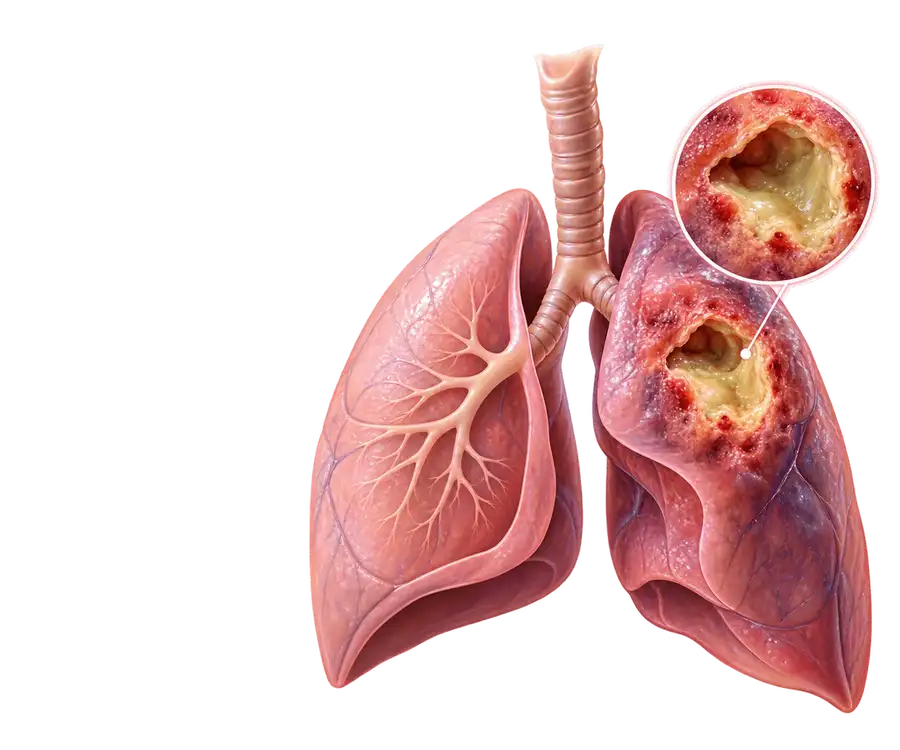
What is a lung abscess?
The body sends white blood cells to fight the infection. Bacteria, dead cells and damaged tissue then collect in one area. This collection forms the abscess.
A lung abscess often develops after aspiration or severe pneumonia. However, other conditions can also cause one.
What is a primary lung abscess?
A primary lung abscess starts from an infection within the lung. Aspiration is a common cause.
What is a secondary lung abscess?
A secondary lung abscess develops because another problem is present. For example, a tumour may block an airway. A weakened immune system can also increase the risk.
How does a lung abscess form?
Bacteria reach the lower airways
A lung abscess often starts when bacteria reach a vulnerable part of the lung. Aspiration is one way this can happen.
Normally, coughing and the immune system clear inhaled germs. However, bacteria can multiply when these defences fail.
Pneumonia damages the lung tissue
The bacteria can cause pneumonia in one part of the lung. Inflammation then damages the surrounding tissue.
A cavity forms
In severe infection, some lung tissue dies and breaks down. Pus collects in the damaged area and creates a cavity.
Why can the phlegm smell unpleasant?
An abscess can connect with an airway. Pus may then drain into the airway and be coughed up. This can produce foul-smelling or bad-tasting phlegm.
What causes a lung abscess?
Several conditions can cause a lung abscess. Aspiration and severe pneumonia are among the most important causes.
Aspiration
Aspiration happens when saliva, food, drink, vomit or stomach contents enter the airway. They can carry bacteria into the lungs.
The risk rises when someone has difficulty swallowing. Reduced consciousness also makes aspiration more likely.
Poor dental health
The mouth contains many types of bacteria. Dental disease and gum disease can increase the amount of harmful bacteria in the mouth.
If these bacteria enter the lungs during aspiration, they can contribute to infection.
Severe pneumonia
Severe bacterial pneumonia can damage lung tissue. In some cases, the infected area breaks down and forms an abscess.
A blocked airway
A tumour, foreign body or thick mucus can block an airway. The blockage prevents normal drainage. Bacteria can then grow behind it.
Doctors may arrange a CT scan or bronchoscopy when they suspect an obstruction.
Infection spreading through the blood
Less often, bacteria travel to the lungs through the bloodstream. This can happen with some heart infections or infected blood clots.
What are the symptoms of a lung abscess?
Symptoms may develop gradually
Symptoms can build over several days or weeks. Some people first notice that pneumonia is not improving as expected.
Common symptoms
When should persistent pneumonia raise concern?
Pneumonia should usually start to improve with effective treatment. Persistent fever or worsening breathlessness needs reassessment.
Doctors may also investigate persistent weight loss, foul-smelling phlegm or ongoing chest pain.
Who is more likely to develop a lung abscess?
A lung abscess can affect anyone. However, some conditions make aspiration or severe infection more likely.
Conditions that increase aspiration risk
Conditions that weaken infection defence
Lung conditions that increase risk
Which germs can cause a lung abscess?
More than one type of bacteria can be present in a lung abscess. The likely germs depend on how the infection developed.
Bacteria from the mouth
Some bacteria naturally live in the mouth and gums. They can reach the lung during aspiration.
Examples include Prevotella, Fusobacterium and Peptostreptococcus.
Bacteria linked with pneumonia
Other bacteria can cause an abscess after pneumonia. These include Staphylococcus aureus, Klebsiella pneumoniae and some Streptococcus species.
Hospital-related infections
Hospital-acquired infections may involve different bacteria. Resistant organisms may also require different antibiotics.
Less common infections
Doctors sometimes need to consider tuberculosis, Nocardia, Actinomyces or fungal infection. These infections need specialist tests and treatment.
How do doctors diagnose a lung abscess?
Doctors first ask about symptoms and medical history. They also examine the chest and check oxygen levels.
Blood tests
Blood tests can show signs of infection and inflammation. Doctors may also take blood cultures when they suspect bacteria in the bloodstream.
Chest X-ray
A chest X-ray may show a cavity in the lung. Sometimes the image shows an air-fluid level inside the cavity.
CT scan of the chest
A CT scan gives doctors more detail. It can show the size and position of the abscess.
It can also reveal complications or an airway blockage.
London Chest Specialist can arrange chest imaging and CT scans where appropriate.
Sputum tests
Doctors may test phlegm to look for bacteria. However, sputum tests do not always identify every organism.
Bronchoscopy
A bronchoscopy allows a respiratory specialist to look directly inside the airways.
Doctors may recommend it if they suspect a tumour, foreign body or another blockage. They may also use it when treatment is not working as expected.
How do doctors treat a lung abscess?
Antibiotics
Antibiotics are the main treatment. Doctors choose treatment that covers the bacteria most likely to cause the infection.
Some people need antibiotics through a vein at first. Doctors may later switch to tablets when the person improves.
Treatment often continues for several weeks. The exact length depends on the cause and response.
Supportive treatment
Some people also need oxygen, fluids, pain relief or help with nutrition.
Doctors may treat other problems at the same time. These can include diabetes, dental disease and swallowing difficulties.
When is drainage needed?
Most lung abscesses improve with antibiotics. However, some do not drain properly through the airways.
Doctors may recommend drainage if the abscess is large or treatment is not working.
A radiologist can place a small tube through the chest wall. Imaging helps guide the tube into the abscess.
Can bronchoscopy help with treatment?
Bronchoscopy can help when an airway is blocked. In selected cases, specialists can also use bronchoscopy to help drain an abscess.
When is surgery needed?
Surgery is uncommon. Antibiotics and drainage work for most people.
Doctors may consider surgery when other treatment fails. They may also recommend it for severe bleeding, major lung damage or suspected cancer.
Do not stop antibiotics early
Continue prescribed antibiotics for as long as your treating clinician recommends. Stopping early may allow the infection to return.
How long does recovery from a lung abscess take?
When should symptoms start to improve?
Some people start to feel better within several days of effective treatment. Fever may settle before other symptoms.
Cough and tiredness can take longer to improve.
Why can scans take longer to improve?
Lung tissue heals more slowly than symptoms improve. As a result, an X-ray or CT scan may remain abnormal after the person feels better.
Why are follow-up scans important?
Doctors often arrange follow-up imaging. This helps confirm that the abscess is shrinking and the surrounding lung is recovering.
What can slow recovery?
Large abscesses may take longer to heal. Recovery may also take longer when bacteria resist treatment.
A weak immune system or persistent airway blockage can also delay recovery.
Is a lung abscess contagious?
The abscess itself usually does not spread
A lung abscess itself does not usually pass from one person to another.
Some underlying infections can spread
Some infections that affect the lungs can be contagious. Tuberculosis is one example.
Doctors may use special precautions when they suspect a transmissible infection.
What complications can a lung abscess cause?
Most people improve with treatment. However, a severe or untreated infection can cause important complications.
Infection around the lung
Infection can spread into the space around the lung. Pus in this space is called an empyema.
Sepsis
Severe infection can spread through the body and cause sepsis. This needs urgent hospital treatment.
Bleeding
Infection can damage nearby blood vessels. This can sometimes cause blood in the phlegm.
Other complications
Can you reduce the risk of a lung abscess?
You cannot prevent every lung abscess. However, you can reduce several important risk factors.
Look after your dental health
Treating dental disease reduces harmful bacteria in the mouth. Good oral hygiene is particularly important for people at risk of aspiration.
Treat swallowing problems
Swallowing problems can allow food or fluid to enter the airway. Assessment can identify ways to reduce aspiration risk.
Treat pneumonia promptly
Seek medical advice if pneumonia symptoms are severe or do not improve as expected.
Manage underlying health problems
A swallowing assessment may help
People who repeatedly aspirate may benefit from assessment by a speech and language therapist. This can help make eating and drinking safer.
When should you seek urgent medical help?
Seek urgent medical assessment for severe symptoms
- severe shortness of breath;
- coughing up a significant amount of blood;
- high fever with confusion;
- blue or grey lips or skin;
- severe or worsening chest pain;
- very low oxygen readings;
- rapid deterioration during a chest infection.
When should pneumonia be reviewed again?
Seek medical advice if pneumonia is not improving. You should also arrange review if symptoms worsen after an initial improvement.
What about foul-smelling phlegm or weight loss?
Persistent foul-smelling phlegm needs assessment. Unexplained weight loss with cough also needs investigation.
Can home remedies treat a lung abscess?
No. A lung abscess is a deep lung infection and needs medical treatment.
London Chest Specialist assesses persistent and complex chest infections .
Frequently asked questions about lung abscess
What is the main cause of a lung abscess?
Aspiration is a common cause. It happens when saliva, food, drink or stomach contents enter the airway and carry bacteria into the lungs.
How serious is a lung abscess?
A lung abscess is a serious infection, but most cases are treatable. Prompt treatment reduces the risk of complications.
How long does treatment take?
Treatment usually continues for several weeks. The exact duration depends on the cause, abscess size and response to treatment.
Does every lung abscess need drainage?
No. Many lung abscesses improve with antibiotics alone. Doctors consider drainage when the abscess is large or does not improve.
Does every lung abscess need surgery?
No. Surgery is uncommon. Doctors usually reserve it for severe cases or when other treatment has failed.
Can a lung abscess come back?
Yes. A lung abscess can return if the underlying problem remains. Repeated aspiration or airway blockage can increase this risk.
Can a CT scan show a lung abscess?
Yes. A CT scan can show the size and position of an abscess. It can also help doctors look for an airway blockage or another cause.
Is a lung abscess the same as pneumonia?
No. Pneumonia is an infection of lung tissue. A lung abscess is a pus-filled cavity that can develop when infection causes tissue breakdown.
The bottom line
A lung abscess is a deep lung infection
A lung abscess is a pocket of pus inside the lung. Aspiration and severe pneumonia are common causes.
Symptoms need proper assessment
Fever, persistent cough, foul-smelling phlegm, chest pain and weight loss can occur.
CT imaging can help find the cause
A CT scan can confirm the abscess and show its size. It can also help doctors look for an airway blockage.
Most people improve with antibiotics
Antibiotics treat most cases. Some people also need drainage, bronchoscopy or, rarely, surgery.
Concerned About a Persistent or Complex Chest Infection?
Specialist respiratory assessment can help clarify the diagnosis, review imaging and identify the most appropriate next steps.