
Managing and Preventing Stress Incontinence in Bronchiectasis
Persistent coughing and repeated airway-clearance efforts can place additional pressure on the pelvic floor. Understanding this connection can help people with bronchiectasis manage urinary leakage and seek appropriate support earlier.
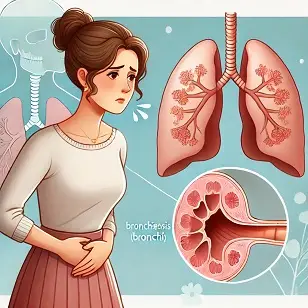
Bronchiectasis can affect more than the lungs
Bronchiectasis is a chronic lung condition characterised by abnormal and permanent widening of the airways. This can lead to mucus accumulation, recurrent respiratory infections and a persistent or forceful cough.
Although its respiratory effects are well recognised, bronchiectasis can also affect other aspects of health. One frequently overlooked problem is stress urinary incontinence: involuntary urine leakage during coughing, sneezing, laughing, lifting or physical activity.
Stress incontinence can be embarrassing and disruptive, but it is a common health problem and effective support is available. Early recognition, pelvic-floor rehabilitation and good bronchiectasis management can substantially reduce its impact.
What is stress incontinence?
Stress incontinence is the involuntary leakage of urine when pressure inside the abdomen suddenly increases.
Why leakage occurs
The pelvic-floor muscles and urinary sphincter normally support the bladder and help control urine flow. If these structures become weakened or do not respond quickly enough, a sudden rise in abdominal pressure can cause urine to leak.
Common triggers
Stress incontinence can affect anyone, but it is particularly common in women, people who have given birth and older adults.
Why can bronchiectasis increase the risk?
Chronic coughing is one of the main reasons stress incontinence can develop or worsen in people with bronchiectasis.
Repeated coughing
Each cough causes a sudden rise in pressure within the abdomen, placing downward force on the bladder and pelvic floor.
Pelvic-floor strain
Frequent or forceful coughing can repeatedly stretch and fatigue the muscles responsible for supporting the bladder and urethra.
Reduced bladder support
Over time, weakened support can make it harder to prevent leakage when coughing, sneezing or carrying out physical activity.
Airway clearance can also increase pressure
People with bronchiectasis may need to cough frequently to clear mucus. Respiratory infections can make this coughing more intense and prolonged, further increasing pressure on the pelvic floor.
The more frequent and forceful the cough, the greater the potential strain. This does not mean airway clearance should be stopped. Instead, respiratory and pelvic-floor management should be coordinated.
Managing stress incontinence in bronchiectasis
A combination of pelvic-floor rehabilitation, respiratory care and appropriate lifestyle measures can reduce leakage and improve confidence.
Pelvic-floor exercises
Pelvic-floor muscle training, often called Kegel exercises, can improve the strength, endurance and coordination of the muscles supporting the bladder and urethra.
A simple starting routine
- Identify the muscles used to prevent passing urine or wind.
- Gently tighten and lift these muscles without holding your breath or tightening your buttocks.
- Hold the contraction for up to five seconds, then relax fully for five seconds.
- Repeat 10 times, gradually building towards three sessions each day.
Stopping urine midstream may help identify the correct muscles, but it should not be used as the regular exercise itself.
Bladder training
Bladder training is more commonly used when urgency or frequent urination occurs alongside stress leakage. It involves gradually extending the interval between planned toilet visits.
- Record toilet visits, leakage episodes and fluid intake in a bladder diary.
- Begin with an interval that is achievable without significant discomfort.
- Increase the interval gradually, often by 15 to 30 minutes.
- Work towards a comfortable daytime interval agreed with a healthcare professional.
Weight management
Excess body weight can increase pressure on the bladder and pelvic floor. Where appropriate, gradual weight reduction may improve bladder control and reduce stress leakage.
Physical activity should be adapted to respiratory symptoms, exercise tolerance and individual medical advice.
Cough and bronchiectasis management
Because coughing is a major contributor to stress incontinence, optimising bronchiectasis care is an important part of management.
- Use airway-clearance techniques recommended by a respiratory physiotherapist.
- Take prescribed inhaled or oral treatments correctly.
- Seek early assessment when sputum, breathlessness or coughing worsens.
- Avoid smoke, strong fumes and other irritants that trigger coughing.
Fluid management
Drinking too little can produce concentrated urine that may irritate the bladder, while excessive fluid consumption can increase urinary frequency.
People with bronchiectasis also need appropriate hydration to help prevent mucus becoming excessively thick. The aim is balanced fluid intake rather than unnecessary restriction.
Practical measures
- Spread drinks throughout the day.
- Reduce caffeine if it worsens urgency.
- Limit fizzy drinks if they irritate the bladder.
- Avoid large volumes immediately before bed.
Preventing stress incontinence in bronchiectasis
Preventive care involves protecting the pelvic floor while keeping bronchiectasis and chronic coughing as well controlled as possible.
Act early
Begin pelvic-floor exercises and seek advice when leakage first appears rather than waiting for symptoms to become severe.
Maintain respiratory care
Use prescribed treatments and airway-clearance techniques consistently to reduce prolonged coughing and recurrent exacerbations.
Strengthen supporting muscles
Appropriate core, posture and pelvic-floor exercises may improve support and coordination during coughing and movement.
Coordinate breathing and effort
Avoid holding your breath when lifting or exercising. Exhaling during effort may reduce unnecessary downward pressure.
Avoid smoking
Smoking can worsen chronic cough, damage respiratory health and place further strain on the pelvic floor.
Use good lifting technique
Tighten the pelvic floor gently before lifting, coughing or sneezing and avoid repeatedly lifting loads that are too heavy.
When should you seek medical advice?
Speak to a healthcare professional if urinary leakage is affecting your daily activities, exercise, sleep, work, relationships or willingness to perform airway clearance.
- Leakage is becoming more frequent or severe.
- Pelvic-floor exercises have not helped after consistent practice.
- You experience urgency, pain, recurrent urinary infections or blood in the urine.
- You are unsure whether your symptoms are caused by stress incontinence.
- Coughing or bronchiectasis symptoms are poorly controlled.
Stress incontinence is common, but it can be treated
Stress incontinence can have a significant effect on quality of life for people with bronchiectasis, particularly when coughing is frequent or severe. It should not be dismissed as an unavoidable consequence of chronic lung disease.
Pelvic-floor exercises, appropriate bladder habits, balanced hydration and effective cough management can all help. Early assessment is particularly important when leakage interferes with airway clearance, exercise or everyday activities.
Are coughing and recurrent chest infections affecting your daily life?
Dr Ricardo José provides specialist respiratory assessment and personalised management for bronchiectasis and recurrent lung infections.
This article provides general health information and is not a substitute for individual medical assessment. Seek urgent medical advice for sudden inability to pass urine, severe pelvic pain, blood in the urine or rapidly worsening respiratory symptoms.