
Understanding viral lung infection after the COVID-19 pandemic
Viral Pneumonia: The Echoing Spectre in a Post-Pandemic World
Viral pneumonia occurs when a respiratory virus infects the lungs and causes inflammation within the small airways and air sacs. COVID-19 demonstrated how severe viral pneumonia can become, but influenza, respiratory syncytial virus, human metapneumovirus and other viruses also remain important causes of serious respiratory illness.
- Viral pneumonia
- Influenza
- COVID-19
- RSV
- Human metapneumovirus
- Diagnosis
- Treatment
- Prevention
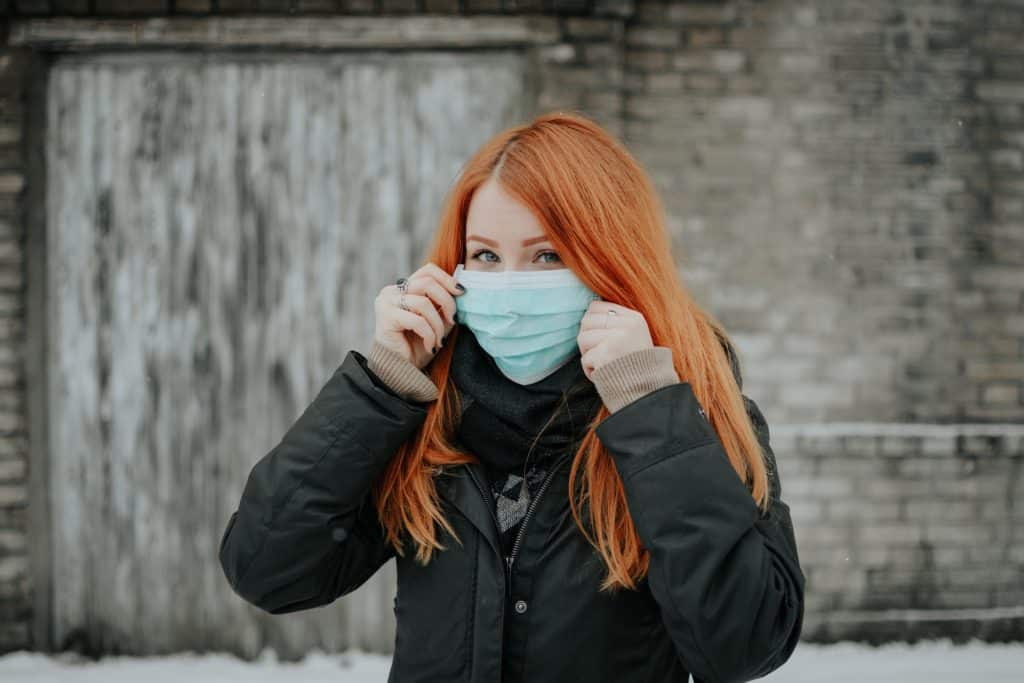
Viral pneumonia is not a single disease
Different viruses affect different age groups and carry different risks. Treatment, testing and infection-control decisions therefore depend on the individual virus and the patient’s clinical condition.
Viral and bacterial infection can overlap
A viral infection can be followed by secondary bacterial pneumonia. Clinical deterioration after initial improvement should prompt reassessment.
What is viral pneumonia?
Viral pneumonia is inflammation and infection of the lung tissue caused by a virus. The infection may involve the small airways, the air sacs where oxygen enters the blood, or both.
Many respiratory viruses initially infect the nose and throat. Pneumonia develops when infection extends into the lower respiratory tract and produces inflammation within the lungs.
The illness can range from a relatively mild infection managed at home to severe respiratory failure requiring oxygen, respiratory support or intensive care.
Viral pneumonia is one form of lower-respiratory and chest infection . Pneumonia may also be bacterial, fungal or caused by aspiration of food, fluid or stomach contents.
“Viral pneumonia” describes the presumed or confirmed cause. Severity still depends on oxygen levels, breathing effort, organ function, frailty, underlying disease and the extent of lung involvement.
Viral pneumonia and the lessons of previous pandemics
Respiratory pandemics have repeatedly demonstrated that a new virus can cause severe lower-respiratory disease before vaccines, treatments and population immunity are established.
SARS-CoV-1 and MERS
Coronavirus disease
Both viruses demonstrated that coronaviruses can cause severe viral pneumonia and respiratory failure.
Limited spread
Their global spread was more limited than SARS-CoV-2, but hospital outbreaks caused major concern.
Preparedness lesson
Early detection, infection control and rapid international reporting are essential.
H1N1 influenza in 2009
Rapid global spread
A novel influenza strain spread widely because many people had limited pre-existing immunity.
Severe lung disease
Some patients developed primary influenza pneumonia or secondary bacterial infection.
Preparedness lesson
Surveillance, vaccine development and antiviral access remain central to influenza planning.
SARS-CoV-2
Large disease burden
COVID-19 produced unprecedented numbers of respiratory infections and cases of viral pneumonia.
Multisystem disease
Severe infection could affect the lungs, circulation, kidneys, nervous system and other organs.
Preparedness lesson
Vaccination, oxygen systems, diagnostics, therapeutics and healthcare resilience all matter.
Another pandemic is possible, but not inevitable or predictable
New respiratory viruses will continue to emerge, but it is not possible to predict confidently which virus will cause the next pandemic or whether it will primarily cause pneumonia. Preparedness should be evidence-based rather than alarmist.
Which viruses can cause pneumonia?
Influenza
Influenza A and B can cause primary viral pneumonia or damage the airways in a way that allows secondary bacterial pneumonia to develop.
SARS-CoV-2
COVID-19 can produce diffuse lung inflammation, low oxygen levels and respiratory failure, particularly in higher-risk patients.
Respiratory syncytial virus
RSV is especially important in babies, older adults and people with significant heart, lung or immune conditions.
Human metapneumovirus
Human metapneumovirus can cause bronchiolitis or pneumonia and can worsen asthma, COPD and bronchiectasis.
Parainfluenza viruses
These viruses commonly cause upper-airway illness but may cause pneumonia in young children and immunocompromised people.
Adenovirus
Adenovirus usually causes milder respiratory illness but can occasionally produce severe or prolonged pneumonia.
Other coronaviruses
Seasonal coronaviruses generally cause mild illness but can produce lower-respiratory infection in vulnerable patients.
Varicella-zoster and herpes viruses
These viruses can cause pneumonia in selected patients, particularly during pregnancy or significant immune suppression.
Read more about human metapneumovirus and other circulating respiratory viruses .
Symptoms of viral pneumonia
Symptoms overlap with bacterial pneumonia and other acute respiratory illnesses. The pattern alone does not reliably identify the cause.
Cough
The cough may initially be dry or may produce sputum as the infection progresses.
Breathlessness
Breathlessness may occur during activity or at rest and can worsen quickly in severe disease.
Fever or chills
A high temperature is common, although older or immunocompromised patients may not develop a marked fever.
Chest pain
Pleuritic pain is typically sharp and worsens during deep breathing or coughing.
Fatigue and muscle aches
Systemic viral symptoms may be prominent, particularly with influenza and COVID-19.
Reduced appetite
Poor intake can contribute to dehydration, weakness and slower recovery.
Confusion
New confusion may be an important sign of severe infection, particularly in older adults.
Low oxygen saturation
Oxygen may fall when inflamed air sacs cannot transfer oxygen efficiently into the bloodstream.
Who is at higher risk of severe viral pneumonia?
Babies and young children
Small airways and limited physiological reserve increase the effect of lower-respiratory infection.
Older adults
Frailty, reduced immune response and coexisting disease increase the risk of hospitalisation and complications.
Chronic lung disease
Asthma, COPD, bronchiectasis, pulmonary fibrosis and other lung conditions reduce respiratory reserve.
Heart disease
Infection, fever and low oxygen place additional strain on the cardiovascular system.
Immunosuppression
Cancer treatment, transplantation, immune deficiencies and immunosuppressive medicines can increase severity and prolong infection.
Pregnancy
Pregnancy can increase the risk of severe complications from infections such as influenza and varicella.
Neurological or swallowing problems
Weak cough or aspiration may complicate a viral respiratory illness.
Smoking
Tobacco smoke damages airway defence mechanisms and reduces respiratory reserve.
How is viral pneumonia diagnosed?
Assessment considers the severity of illness, evidence of lung involvement and whether a specific virus or secondary bacterial infection is likely.
- Clinical history Symptoms, duration, viral exposure, vaccination, travel, underlying disease and immune status are reviewed.
- Examination and observations Temperature, respiratory rate, heart rate, blood pressure, oxygen saturation and mental state help determine severity.
- Chest examination Crackles, reduced air entry, wheeze and increased breathing effort may be present.
- Chest imaging A chest X-ray may confirm pneumonia. CT imaging may be needed when the diagnosis is uncertain or complications are suspected.
- Respiratory-virus testing PCR testing may identify influenza, SARS-CoV-2, RSV, hMPV and other viruses when the result could affect treatment or infection-control decisions.
- Blood tests Blood count, kidney function, liver tests, inflammatory markers and blood gases may be used according to severity.
- Sputum or blood cultures These may be obtained when bacterial co-infection, severe disease or an unusual pathogen is suspected.
- Severity assessment Adults with community-acquired pneumonia may be assessed using clinical judgement alongside CRB65 or CURB65 scoring.
Viral PCR does not always prove that the virus caused the pneumonia
A respiratory virus may be detected while bacterial infection, aspiration or another process is also present. Test results must be interpreted with symptoms, examination, imaging and the clinical course.
How is viral pneumonia treated?
Treatment depends on the virus, severity, timing, oxygen level, pregnancy status, immune function and underlying health conditions.
Rest and fluids
People with mild illness may recover at home with rest, hydration and appropriate symptom relief.
Oxygen
Supplemental oxygen is given when blood oxygen levels are below the safe target for the individual patient.
Antiviral medicines
Specific antivirals may be used for influenza, COVID-19, varicella or other selected infections when indicated.
Antibiotics
Antibiotics may be started when bacterial pneumonia or secondary bacterial co-infection is suspected.
Respiratory support
Severe disease may require high-flow oxygen, non-invasive ventilation or mechanical ventilation.
Fluids and organ support
Intravenous fluids and treatment for kidney, circulatory or other organ dysfunction may be necessary.
Existing lung treatment
Asthma, COPD or bronchiectasis action plans may need adjustment under clinical supervision.
Thrombosis prevention
Hospitalised patients may require assessment and treatment to reduce the risk of blood clots.
Antivirals are time-sensitive and virus-specific
Antiviral treatment is not interchangeable between viruses. Benefit may depend on how early treatment begins and whether the patient belongs to a higher-risk group. Seek prompt advice rather than using leftover or unprescribed medication.
Secondary bacterial pneumonia after a viral illness
Respiratory viruses can impair airway defence, damage the lung lining and alter immune responses. This can allow bacteria to cause a new infection during or shortly after the viral illness.
Initial improvement followed by deterioration
A person may begin recovering and then develop a new fever, worsening cough or increasing breathlessness.
New pleuritic pain
Sharp chest pain with breathing or coughing may indicate pneumonia or a pleural complication.
Increasing sputum
A marked increase in sputum volume or purulence may support bacterial co-infection, especially in chronic lung disease.
Falling oxygen levels
New or worsening hypoxaemia requires prompt medical reassessment.
Patients with persistent or recurrent lower-respiratory infections may benefit from a specialist chest-infection assessment .
How can viral pneumonia be prevented?
No single vaccine prevents every form of viral pneumonia. Prevention therefore combines vaccination against specific infections with sensible measures that reduce transmission.
- Keep eligible vaccinations up to date Check current NHS eligibility for influenza, COVID-19, RSV, pneumococcal and other relevant vaccines.
- Stay home when significantly unwell Avoid unnecessary contact when you have a high temperature or do not feel well enough for normal activities.
- Improve indoor ventilation Open windows or use suitable ventilation where practical, particularly during gatherings or household illness.
- Practise respiratory hygiene Cover coughs and sneezes, dispose of tissues promptly and clean your hands.
- Consider a well-fitting mask in higher-risk settings Masks may reduce transmission when someone is unwell or in crowded, poorly ventilated environments.
- Avoid smoking Smoking damages airway clearance and reduces the lungs’ ability to respond to infection.
- Manage chronic lung disease Continue prescribed inhalers, airway clearance and action plans unless advised otherwise.
- Seek early advice when high risk Early testing or antiviral treatment may be appropriate for immunocompromised and other clinically vulnerable patients.
The related guide to reducing the risks of year-round respiratory viruses explains practical infection-prevention measures in more detail.
Recovery after viral pneumonia
Recovery is not identical for everyone. Fever may settle before cough, fatigue, exercise tolerance and breathlessness return to baseline.
Cough may persist
Airway inflammation and increased cough sensitivity may continue after the main infection resolves.
Fatigue may be prolonged
Severe infection, hospitalisation, poor sleep and muscle loss may contribute to a slow recovery.
Exercise tolerance may fall
Deconditioning and persistent respiratory symptoms may make ordinary activity more difficult.
Follow-up imaging may be needed
Repeat chest imaging may be considered when symptoms persist, the patient is at higher risk or the original abnormality needs confirmation of resolution.
Persistent symptoms may require assessment for post-viral syndrome , airway inflammation, pulmonary embolism, organising pneumonia, secondary infection or another underlying condition.
A cough that continues beyond the expected recovery period may also need specialist chronic-cough investigation .
Preparing for future respiratory threats
The most useful lesson from recent pandemics is not that another catastrophe is certain, but that preparation must be maintained between emergencies.
Viral surveillance
Monitoring respiratory viruses helps identify unusual patterns, new variants and emerging pathogens.
Rapid diagnostics
Earlier and broader testing can help target antiviral treatment and infection-control measures.
Vaccine platforms
Flexible vaccine technology can shorten the time between identifying a pathogen and deploying a protective vaccine.
Antiviral research
Broadly active and virus-specific treatments remain important areas of development.
Healthcare resilience
Oxygen supply, staffing, intensive-care capacity and infection control all influence outcomes during large outbreaks.
Clear public communication
Accurate information should explain risk without minimising disease or creating unnecessary fear.
When should medical help be sought?
Seek prompt clinical advice when:
- breathlessness is new, persistent or worsening;
- you have chest pain when breathing or coughing;
- you cough up blood or blood-stained sputum;
- a high temperature persists or returns after improvement;
- you become markedly weak or dehydrated;
- symptoms worsen after initially improving;
- you have a significant heart, lung or immune condition;
- you are pregnant, frail or over 65;
- an existing respiratory action plan is not controlling symptoms.
Call 999 or seek emergency help for:
- severe breathing difficulty, gasping or choking;
- inability to speak in complete sentences;
- blue, grey, very pale or blotchy lips or skin;
- new confusion, collapse or extreme drowsiness;
- severe or crushing chest pain;
- significant haemoptysis;
- a baby who is floppy, difficult to wake or struggling to breathe;
- rapidly falling oxygen saturation where monitoring has been advised.
Conclusion
Viral pneumonia is an important form of lower-respiratory infection caused by influenza, SARS-CoV-2, RSV, human metapneumovirus and several other viruses.
Previous epidemics and pandemics demonstrate that respiratory viruses can place substantial pressure on patients, families and healthcare systems. They do not prove that viral pneumonia is an inevitable next global crisis.
Diagnosis requires assessment of symptoms, oxygen levels, imaging, severity and the possibility of bacterial co-infection. A positive viral test does not exclude another cause of pneumonia.
Treatment may include supportive care, oxygen, virus-specific antivirals and antibiotics when bacterial infection is suspected. Severe disease may require respiratory or intensive-care support.
Vaccination, ventilation, respiratory hygiene, smoking cessation and early medical assessment in higher-risk people can reduce the likelihood of severe illness.
Patients with persistent breathlessness, recurrent infection or slow recovery can arrange a specialist respiratory and chest-infection consultation .
Frequently asked questions
What is viral pneumonia?
Viral pneumonia is inflammation and infection of the lungs caused by a respiratory or systemic virus.
Which viruses commonly cause pneumonia?
Important causes include influenza, SARS-CoV-2, RSV, human metapneumovirus, parainfluenza and adenovirus.
Is viral pneumonia contagious?
The underlying virus may spread between people. Not everyone who catches the virus will develop pneumonia.
Can antibiotics treat viral pneumonia?
Antibiotics do not treat viruses. They may be prescribed when bacterial pneumonia or bacterial co-infection is suspected.
How can doctors tell viral and bacterial pneumonia apart?
Symptoms overlap. Doctors use the clinical course, examination, imaging, blood tests and microbiological results, but complete certainty is not always possible initially.
Does green sputum mean the pneumonia is bacterial?
No. Green sputum can occur during viral or bacterial infection. Other clinical information is needed.
Can viral pneumonia lead to bacterial pneumonia?
Yes. Viral infection can damage airway defences and create an opportunity for a secondary bacterial infection.
How long does recovery take?
Many people improve over two to four weeks, but cough, fatigue and reduced exercise tolerance can last longer after more severe disease.
Can a chest X-ray identify the virus?
No. Imaging can confirm lung abnormalities but usually cannot identify the exact virus reliably without microbiological testing.
Do vaccines prevent viral pneumonia?
Vaccines can reduce the risk of infection or severe disease from specific viruses, including influenza, COVID-19 and RSV, but no universal viral-pneumonia vaccine exists.
Can viral pneumonia cause long-term lung damage?
Most people recover without major permanent damage, but severe infection can occasionally leave persistent inflammation, scarring or reduced respiratory function.
When is hospital treatment needed?
Hospital treatment may be needed for low oxygen, severe breathlessness, confusion, dehydration, unstable observations, organ dysfunction or significant underlying disease.
References and further information
- National Institute for Health and Care Excellence. Pneumonia: diagnosis and management. NICE guideline NG250, published September 2025. View the NICE pneumonia guideline
- NHS. Pneumonia. View NHS pneumonia information
- UK Health Security Agency. Advice on reducing the spread of influenza, COVID-19 and other respiratory infections. View UKHSA respiratory-infection advice
- London Chest Specialist. The rise in viral respiratory infections: human metapneumovirus. Read about human metapneumovirus
- London Chest Specialist. Navigating the risks of year-round respiratory viruses. Read about year-round respiratory-virus risk
- London Chest Specialist. Chest-infection diagnosis and treatment. Read about specialist chest-infection care
- London Chest Specialist. Post-viral syndrome. Read about persistent post-viral symptoms
- London Chest Specialist. Chronic-cough specialist assessment. Read about chronic-cough investigation
- London Chest Specialist. Lung-function tests. Read about respiratory diagnostic testing