
Lung-tissue damage
Emphysema
The air sacs, or alveoli, become damaged. This reduces the surface area available for oxygen to pass into the blood and carbon dioxide to leave it.
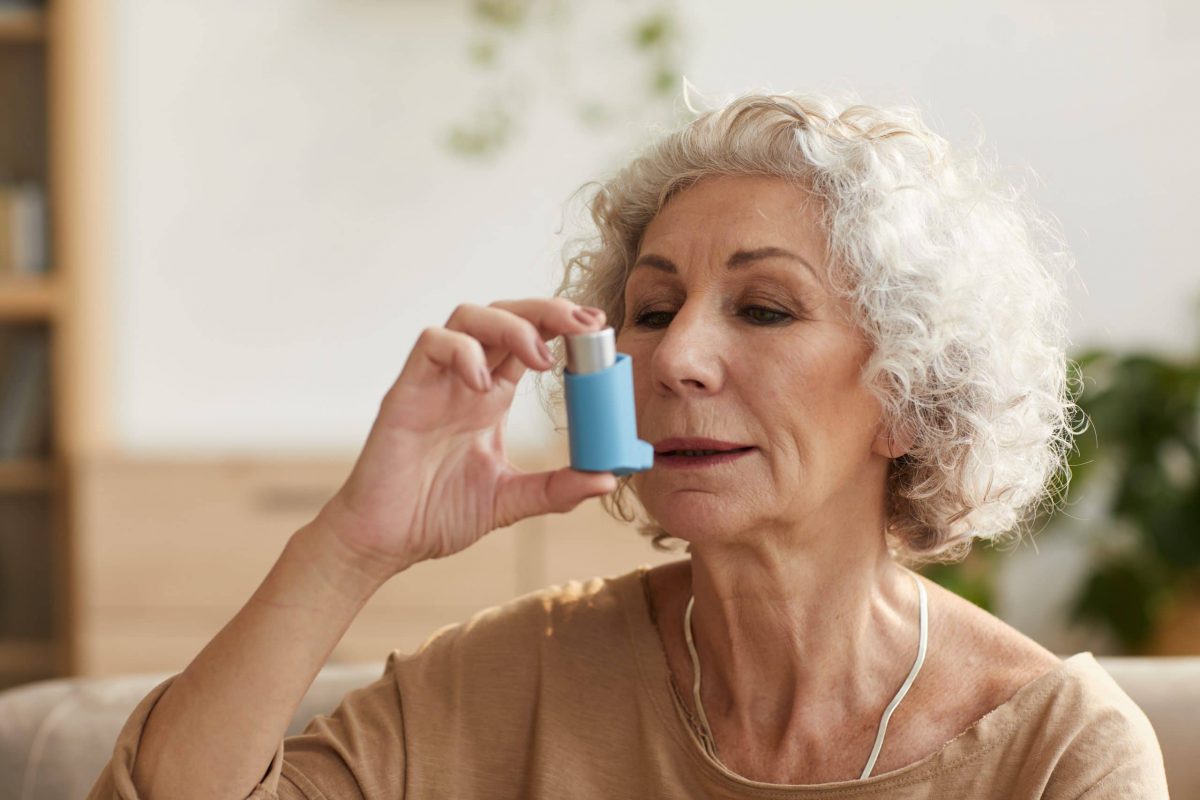
Specialist respiratory assessment for COPD, helping review breathlessness, cough, flare-ups and lung function to guide appropriate investigation and personalised treatment.
Chronic obstructive pulmonary disease is a long-term lung condition that causes persistent airflow limitation through narrowed or damaged airways.
COPD develops when chronic inflammation, airway narrowing and lung damage make it harder to move air out of the lungs. Unlike the variable airflow obstruction often seen in asthma, COPD airflow limitation is usually persistent and may progress over time.
Emphysema and chronic bronchitis are the main forms of COPD. Many people have features of both conditions, and some also have asthma, bronchiectasis or another respiratory condition that affects their symptoms and treatment.
The air sacs, or alveoli, become damaged. This reduces the surface area available for oxygen to pass into the blood and carbon dioxide to leave it.
The bronchi become inflamed and narrowed, with increased mucus production that can cause persistent cough, phlegm and recurrent chest infections.
Symptoms usually develop gradually and may initially be noticed only during exercise, hills or stairs.
A long-term cough that may be dry or productive of mucus and can be worse in the morning.
Breathlessness may first occur with activity and become more limiting as COPD progresses.
A whistling or musical sound during breathing caused by narrowing of the airways.
Regular mucus production may occur, particularly in people with chronic-bronchitis features.
Some people experience repeated infections or episodes needing antibiotics, steroid tablets or hospital treatment.
Breathlessness, poor sleep, muscle deconditioning and low oxygen levels can reduce energy and activity.
COPD usually develops after long-term exposure to smoke, particles, fumes or chemicals that repeatedly irritate and damage the lungs.
Long-term cigarette, cigar, pipe or shisha smoking is the most common cause. Risk is related to cumulative exposure, but not every person who develops COPD has smoked.
Quitting can reduce further lung-function decline and lower the risk of exacerbations and other smoking-related disease.
Read the smoking-cessation guideLong-term exposure to dusts, vapours, chemicals or industrial fumes can contribute to COPD.
Smoke from burning wood, charcoal, crop waste or other fuels in poorly ventilated spaces is an important cause worldwide.
This inherited condition can cause emphysema, sometimes at a younger age or with a limited smoking history.
Premature birth, childhood respiratory disease or impaired lung growth may leave a lower reserve in adult life.
COPD diagnosis combines symptoms and exposure history with objective lung-function testing. A scan or symptoms alone are not usually enough to confirm the condition.
The assessment begins with breathlessness, cough, sputum, wheeze, chest infections and exercise limitation. Smoking, shisha use, biomass smoke and occupational exposure are reviewed alongside previous diagnoses and treatment.
Spirometry measures how much air can be forcibly exhaled and how quickly it leaves the lungs. COPD is supported when testing shows persistent airflow obstruction in the appropriate clinical context.
Illustrative comparison only. Individual loop size and shape vary with age, height, sex, effort and disease severity.
COPD should not normally be diagnosed from symptoms or a CT scan alone. Post-bronchodilator spirometry is used to demonstrate persistent airflow obstruction.
Further tests are selected according to symptoms, COPD severity, sputum production, infection history, oxygen levels and whether another condition may also be contributing.
Asthma, bronchiectasis, heart disease, pulmonary fibrosis, anaemia, obesity, sleep apnoea, reflux and physical deconditioning may mimic or coexist with COPD. Identifying these problems can significantly change treatment.
COPD cannot usually be cured, but treatment can reduce symptoms, prevent flare-ups, maintain independence and slow further damage.
Some people mainly experience breathlessness and emphysema. Others produce regular mucus, develop infections or have frequent exacerbations. Inhaler choice and additional treatment should reflect these differences.
Bronchodilator inhalers relax airway muscle and can reduce breathlessness and wheeze. Some people also benefit from inhaled corticosteroids when exacerbation history, eosinophils or asthma features indicate likely benefit.
A COPD action plan may include instructions for increasing bronchodilator use and, when clinically appropriate, starting a short course of oral corticosteroids or antibiotics.
Pulmonary rehabilitation combines supervised exercise with education about breathlessness, pacing, medication, nutrition and living with COPD.
Airway-clearance techniques can help people who produce regular mucus or have difficulty expectorating. Physiotherapists can also provide breathing-pattern and pacing advice.
Selected patients with repeated exacerbations may benefit from prophylactic antibiotics after sputum testing, ECG review and optimisation of inhalers and airway clearance.
Vaccination status should be reviewed regularly. Recommended vaccines depend on age, clinical risk, previous vaccination and current national guidance.
Oxygen is prescribed only after appropriate assessment. Some people require oxygen during exertion, while a smaller group may qualify for long-term oxygen therapy.
Selected patients may be assessed for non-invasive ventilation, lung-volume-reduction procedures, surgery, transplantation or targeted biologic treatment.
Good long-term management combines medication with prevention, exercise, monitoring and a clear plan for worsening symptoms.
Record your normal breathlessness, cough, sputum and activity so that important changes are recognised early.
Follow the prescribed schedule, use a spacer when advised and have technique checked regularly.
Regular activity helps maintain muscle strength and reduces deconditioning-related breathlessness.
Follow the written action plan and seek help when symptoms are severe, unusual or fail to respond.
Review vaccinations, hand hygiene, sputum management and exposure to people with active respiratory infection.
COPD care should extend beyond confirming airflow obstruction and prescribing an inhaler.
Dr Ricardo José reviews the clinical history, previous diagnoses, inhaler response, exacerbations, sputum microbiology, chest imaging and lung-function results to clarify the COPD pattern and identify additional treatable problems.
Careful interpretation of spirometry, gas transfer and symptoms helps distinguish COPD from asthma and other causes of breathlessness.
CT scans can assess emphysema, bronchiectasis, infection, scarring, nodules and alternative causes of respiratory symptoms.
Treatment is reviewed according to symptoms, exacerbations, eosinophils, infection risk, device suitability and inhaler technique.
Recurrent flare-ups may require sputum testing, airway clearance, vaccination review, reflux assessment or advanced preventive treatment.
Published reviews frequently describe a careful, clear and reassuring approach to respiratory assessment.
Reviews commonly mention that Dr José allows time to understand symptoms, previous treatment and the effect respiratory illness has on daily life.
Patients frequently value detailed review of previous scans, reports, lung-function results and earlier treatment before a plan is made.
Reviews often describe understandable explanations of possible diagnoses, test results, treatment choices and what should happen next.
Read the original verified reviews rather than relying only on a summary.
Answers to common questions about diagnosis, progression, inhalers and living with COPD.
No. Both can cause cough, wheeze and airflow obstruction, but COPD is usually linked to chronic exposure and persistent airflow limitation. Asthma is often more variable. Some patients have features of both, so clinical assessment and lung-function testing are important.
Yes. Other causes include occupational dusts and fumes, biomass-fuel smoke, impaired lung development and alpha-1 antitrypsin deficiency. Previous severe respiratory disease may also contribute.
Existing structural lung damage cannot usually be reversed, but treatment can reduce symptoms and flare-ups, improve activity and slow further decline. Stopping smoking is particularly important.
COPD is diagnosed using the clinical history, examination and post-bronchodilator spirometry showing persistent airflow obstruction. Imaging and additional tests may assess severity or identify another condition.
No. Steroid inhalers are most useful in selected patients, including some people with repeated exacerbations, raised eosinophils or asthma features. Potential benefits must be balanced against risks such as oral thrush, bruising and pneumonia.
Not necessarily. Breathlessness can occur despite normal oxygen levels. Oxygen should be prescribed only after measuring oxygen saturation and, when required, arterial blood gases or exercise oxygen levels.
Follow your written COPD action plan, use prescribed medication as directed and seek medical advice if symptoms are severe, unusual, worsening or not responding. Call 999 for emergency warning signs.
Yes. Pulmonary rehabilitation is often particularly valuable when breathlessness has reduced activity. Programmes can be adapted to different levels of fitness and mobility.
Arrange a consultant respiratory review for COPD diagnosis, treatment optimisation, recurrent exacerbations or a second opinion.