
Understanding environmental mould and the different forms of aspergillosis
Understanding Aspergillus Mould: A Silent Cause of Fungal Lung Disease
Aspergillus is a widespread environmental mould whose microscopic spores are inhaled every day. Most people remain completely well, but in susceptible lungs it can cause allergic airway disease, chronic infection, a fungal ball or rapidly progressive invasive aspergillosis.
- Aspergillus spores
- Fungal sensitisation
- ABPA
- Chronic aspergillosis
- Aspergilloma
- Invasive disease
- Antifungal medicines
- Exposure reduction
Most people inhale spores safely
Aspergillus is common in normal outdoor and indoor environments. Exposure alone does not mean that a person has fungal lung disease.
One positive culture is not a diagnosis
Aspergillus in sputum may reflect transient exposure or airway colonisation. Symptoms, immune status, blood tests and chest imaging determine its significance.
What is Aspergillus mould?
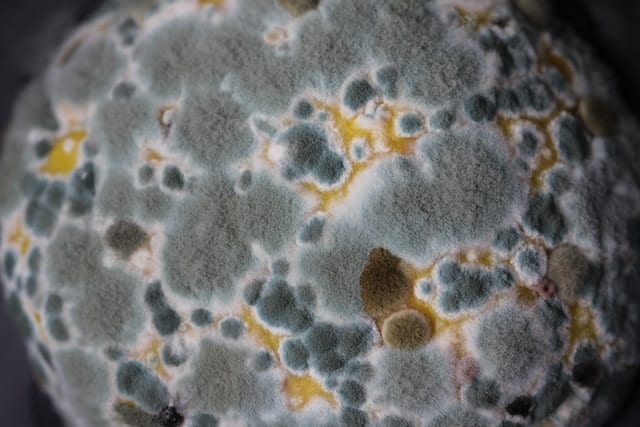
Aspergillus is a large group of filamentous fungi found throughout the environment. Its microscopic spores can become airborne and enter the nose, sinuses and lungs during ordinary breathing.
Aspergillus grows in soil, compost, decaying leaves, stored plant material, dust and damp building materials. It contributes to the natural breakdown of organic matter and the recycling of nutrients.
The mould forms branching filaments called hyphae and reproductive structures that release large numbers of lightweight spores. These spores are small enough to be inhaled deeply into the respiratory tract.
Healthy airway clearance and immune defence normally remove or control inhaled spores. Disease becomes more likely when the lungs are structurally damaged, mucus remains trapped or the immune response is impaired.
Aspergillus is not one single disease. The same environmental mould can cause allergy, airway colonisation, chronic infection or invasive infection depending on the person’s lungs and immune system.
Where can Aspergillus be found?
Soil and compost
Compost heaps, potting material and disturbed soil can release high concentrations of fungal spores.
Decaying vegetation
Fallen leaves, garden waste, hay and decomposing plant material provide nutrients for mould growth.
Damp buildings
Water ingress, condensation and poorly dried construction materials may support indoor fungal growth.
Household dust
Small quantities of spores and fungal fragments can occur in normal settled and airborne dust.
Construction sites
Demolition, excavation and renovation can disturb contaminated dust and building materials.
Agricultural settings
Farming, grain storage, horticulture and handling organic waste may create intense occupational exposure.
Complete avoidance is impossible
Aspergillus spores occur naturally in outdoor air. The aim for vulnerable patients is to reduce unusually heavy exposure rather than attempt to create a completely fungus-free environment.
What lung diseases can Aspergillus cause?
Allergic and sensitisation-related disease
Fungal sensitisation
The immune system produces allergen-specific IgE without necessarily producing the full syndrome of ABPA.
ABPA
Allergic bronchopulmonary aspergillosis causes marked allergic airway inflammation, mucus plugging and sometimes bronchiectasis.
Typical setting
Most often asthma, cystic fibrosis or another susceptible airway disorder.
Aspergillus airway disease
Colonisation
Aspergillus may grow intermittently in airway secretions without clear evidence of active tissue disease.
Aspergillus bronchitis
Repeated positive cultures and persistent airway symptoms may indicate clinically significant bronchial infection.
Typical setting
Bronchiectasis, cystic fibrosis or another mucus-clearance disorder.
Chronic pulmonary aspergillosis
Chronic infection
CPA develops over months and may cause cavities, nodules, pleural thickening or progressive fibrosis.
Aspergilloma
A fungal ball can form inside a pre-existing lung cavity and may cause coughing up blood.
Typical setting
Previous tuberculosis, COPD, sarcoidosis, cavities, bronchiectasis or other structural lung disease.
Invasive aspergillosis
Tissue invasion
Fungal hyphae invade lung tissue and may enter blood vessels or spread to other organs.
Clinical course
Disease can progress rapidly and requires urgent specialist investigation and treatment.
Typical setting
Severe immune suppression, transplantation, prolonged neutropenia, haematological cancer or critical illness.
The different forms of Aspergillus-related disease require different investigations and treatments. Patients who need individual clinical assessment can read about the London Chest Specialist fungal lung disease service .
Read the detailed guide to chronic pulmonary aspergillosis .
Allergic disease is covered separately in the article on allergic bronchopulmonary aspergillosis .
Who is more likely to develop fungal lung disease?
Bronchiectasis
Dilated airways retain mucus and may allow Aspergillus to remain within bronchial secretions.
Asthma
Asthma increases the relevance of fungal sensitisation and is the principal underlying condition associated with ABPA.
COPD and emphysema
Structural damage, cavities, impaired clearance and corticosteroid exposure may increase susceptibility.
Sarcoidosis
Fibrotic change and residual lung cavities may provide a site for chronic Aspergillus infection or an aspergilloma.
Previous tuberculosis
Healed tuberculosis can leave cavities and scarring in which chronic pulmonary aspergillosis may develop.
Cystic fibrosis
Thick mucus and chronic airway disease increase the likelihood of Aspergillus sensitisation and ABPA.
Blood cancer treatment
Neutropenia and intensive chemotherapy can profoundly weaken defence against invasive fungal infection.
Organ or stem-cell transplantation
Immunosuppressive treatment can increase invasive aspergillosis risk.
Prolonged corticosteroid therapy
Systemic corticosteroids can suppress immune pathways needed to control fungal growth.
Critical illness
Severe influenza, COVID-19 and intensive-care admission can occasionally be complicated by invasive aspergillosis.
Structural airway disease can be assessed through the bronchiectasis diagnosis and treatment service .
Patients with asthma can read about specialist asthma diagnosis and treatment .
Fungal sensitisation without ABPA is explained in the article on asthma with fungal sensitisation .
Symptoms of Aspergillus-related lung disease
Symptoms depend on the form of disease and often overlap with asthma, bacterial infection, tuberculosis, malignancy and the underlying lung condition.
Persistent cough
Cough may be dry, productive or associated with thick plugs, depending on the underlying Aspergillus syndrome.
Wheeze
Wheezing is particularly relevant in asthma, fungal sensitisation and ABPA.
Breathlessness
Breathlessness may reflect bronchospasm, mucus plugging, cavities, fibrosis or the underlying lung disease.
Thick sputum
Tenacious mucus, dark plugs or recurrent sputum changes may occur in allergic or bronchial disease.
Fatigue
Persistent tiredness and loss of stamina are common in chronic pulmonary aspergillosis.
Weight loss
Unintentional weight loss can indicate progressive chronic or invasive infection.
Fever
Fever may occur in invasive disease or during another respiratory infection, but it is not universal in CPA.
Chest pain
Pleuritic or persistent pain may arise from cavities, pleural inflammation or another serious thoracic condition.
Haemoptysis
Coughing up blood can occur with cavities, aspergilloma or bronchiectasis and ranges from blood streaking to major bleeding.
Recurrent lung opacities
Migrating or recurrent abnormalities may occur with ABPA, whereas enlarging cavities may suggest CPA.
Persistent cough can be assessed through the chronic-cough specialist service .
Unexplained wheezing can be investigated through the specialist wheeze diagnosis and treatment service .
Progressive or unexplained shortness of breath may require a specialist breathlessness assessment .
Seek urgent medical help for:
- significant coughing of fresh blood;
- severe or rapidly worsening breathlessness;
- blue or grey lips or skin;
- collapse, fainting or new confusion;
- severe chest pain;
- very low or rapidly falling oxygen levels;
- fever and rapid deterioration during substantial immune suppression.
Call 999 for immediately life-threatening symptoms.
How is Aspergillus-related lung disease diagnosed?
There is no single universal Aspergillus test. Diagnosis combines the clinical history with chest imaging, respiratory samples, fungal serology, allergy tests and an assessment of immune status.
- Define the clinical syndrome The specialist determines whether the pattern suggests allergic disease, airway colonisation, chronic infection or invasive infection.
- Review underlying lung disease Asthma, bronchiectasis, COPD, sarcoidosis, previous tuberculosis and lung cavities are assessed.
- Assess immune status Corticosteroids, chemotherapy, transplantation, neutropenia and other immune-modifying treatments are reviewed.
- Arrange chest imaging Chest X-ray or CT may show mucus plugging, bronchiectasis, nodules, cavities, a fungal ball, infiltrates or invasive change.
- Analyse respiratory samples Sputum or bronchoscopy samples may undergo fungal culture, microscopy and selected molecular testing.
- Perform blood tests Aspergillus IgG, Aspergillus-specific IgE, total IgE, eosinophils or fungal biomarkers are selected according to the suspected condition.
- Exclude alternative diagnoses Tuberculosis, non-tuberculous mycobacteria, bacterial infection, malignancy and inflammatory disease may look similar.
- Review disease activity Current symptoms, radiological progression and previous results help determine whether treatment is needed.
| Investigation | Possible role | Important limitation |
|---|---|---|
| Aspergillus-specific IgE | Identifies allergic sensitisation and supports ABPA assessment | A positive result does not independently diagnose ABPA |
| Total IgE | Supports ABPA diagnosis and monitoring | It is non-specific and may be altered by corticosteroids |
| Blood eosinophils | Supports allergic or type-2 inflammation | A normal result does not exclude treated ABPA |
| Aspergillus IgG | Important evidence in chronic pulmonary aspergillosis | Results require interpretation with CT and symptoms |
| Sputum fungal culture | Demonstrates growth of Aspergillus from respiratory secretions | A positive culture may represent colonisation rather than active disease |
| Galactomannan | Supports invasive aspergillosis assessment in selected clinical settings | Performance varies by specimen type and patient population |
| Aspergillus PCR | Detects fungal genetic material in selected samples | Detection does not always establish tissue invasion |
| Chest CT | Defines bronchiectasis, cavities, fungal balls, nodules, mucus plugging and invasive patterns | Imaging appearances overlap with other diseases |
Aspergillus in sputum does not always require antifungal treatment
Treatment should follow a defined clinical diagnosis. Repeated cultures, symptoms, imaging, serology and immune status help distinguish transient isolation or colonisation from active disease.
What might a chest CT show?
Mucus plugging
Thick branching mucus can occur in ABPA and other Aspergillus-related airway conditions.
Bronchiectasis
Permanent airway widening may be an underlying risk factor or a consequence of recurrent allergic inflammation.
Lung cavities
One or more expanding or thick-walled cavities may suggest chronic cavitary pulmonary aspergillosis.
Aspergilloma
A rounded fungal ball may be visible within a pre-existing cavity, sometimes separated from the cavity wall by air.
Aspergillus nodules
Solitary or multiple nodules can resemble malignancy, tuberculosis or another fungal infection.
Invasive change
Nodules, surrounding ground-glass change, consolidation, infarction or cavitation may occur in invasive disease.
How is Aspergillus lung disease treated?
Treatment is determined by the Aspergillus syndrome. Allergy, chronic infection and invasive infection have different aims, medicines, durations and monitoring requirements.
| Condition | Possible treatment approach | Important qualification |
|---|---|---|
| Fungal sensitisation | Optimised asthma care and management of clinically relevant exposure | Antifungal medication is not routine for sensitisation alone |
| ABPA | Oral corticosteroid, triazole antifungal or selected biological treatment depending on disease activity | Treatment should account for asthma, mucus plugging, recurrence and treatment toxicity |
| Aspergillus bronchitis | A triazole may be considered when clinical and microbiological evidence supports active disease | Repeated culture and susceptibility information may be required |
| Chronic pulmonary aspergillosis | Prolonged oral triazole treatment, observation in selected stable cases or surgery in carefully selected disease | Symptoms, radiological progression and treatment tolerance guide management |
| Aspergilloma | Observation, antifungal treatment, embolisation or surgery according to symptoms and bleeding risk | Significant haemoptysis requires urgent specialist management |
| Invasive aspergillosis | Urgent systemic mould-active antifungal therapy and management of immune suppression | This is a serious infection usually managed through hospital specialist services |
Triazole antifungal medicines
Triazoles interfere with ergosterol production, disrupting the fungal cell membrane and preventing normal fungal growth. Selection depends on the disease, susceptibility, previous exposure, absorption, interactions and adverse-effect profile.
Itraconazole
Commonly used for chronic pulmonary aspergillosis, ABPA and selected Aspergillus airway disease. Absorption and drug interactions require careful review.
Voriconazole
A principal treatment for invasive aspergillosis and an oral option for chronic disease when appropriate.
Posaconazole
May be used when first-line triazoles are unsuitable, ineffective or poorly tolerated.
Isavuconazole
An alternative mould-active triazole used particularly in selected invasive or difficult Aspergillus disease.
Triazoles require specialist monitoring
- baseline and repeat liver-function tests;
- review of prescribed and non-prescribed medicines;
- ECG assessment where clinically relevant;
- antifungal drug-level monitoring for selected agents;
- assessment of absorption and adherence;
- review for antifungal resistance;
- pregnancy and contraception advice;
- monitoring for neurological, visual or skin toxicity.
Antifungal medicines can interact with inhaled corticosteroids
Triazoles can substantially increase exposure to some inhaled or nasal corticosteroids, creating a risk of adrenal suppression and systemic steroid effects. Every inhaler, nasal spray and other medicine should be reviewed before treatment.
Echinocandins and liposomal amphotericin B
Echinocandins
Examples
Caspofungin, micafungin and anidulafungin.
Mechanism
They inhibit synthesis of beta-glucan, an important component of the fungal cell wall.
Clinical role
They may be used as salvage, combination or alternative therapy in selected invasive disease.
Liposomal amphotericin B
Mechanism
Amphotericin binds fungal membrane sterols and disrupts cell integrity.
Clinical role
An important intravenous alternative when triazoles are unsuitable, contraindicated or ineffective.
Monitoring
Kidney function, potassium, magnesium, blood counts and infusion reactions require monitoring.
Nebulised amphotericin has specific uses
Inhaled amphotericin may be used in selected prophylactic or specialist airway-disease pathways. It is not a general substitute for systemic treatment of invasive or chronic pulmonary aspergillosis.
Monitoring response to treatment
Symptoms
Cough, sputum, haemoptysis, fever, breathlessness, fatigue and weight are compared with baseline.
Chest imaging
X-rays or CT scans assess cavities, pleural thickening, infiltrates, nodules and mucus plugging.
Aspergillus markers
IgE, IgG or other fungal biomarkers are monitored according to the specific diagnosis.
Respiratory cultures
Repeat cultures may assess persistent fungal growth and resistance.
Lung function
Spirometry and other physiological tests help assess functional change.
Treatment toxicity
Liver, kidney, cardiac, neurological, visual and skin effects are reviewed according to the medicine used.
Respiratory physiology can be assessed through the lung-function testing service .
Reducing Aspergillus exposure
Exposure reduction is most important for people at high risk of invasive disease and those who experience reproducible worsening around heavy mould exposure. It complements medical care rather than replacing it.
Avoid disturbing compost
Ask someone else to turn compost or handle visibly mouldy garden waste when possible.
Reduce dusty gardening
Dampening dry soil and using a well-fitting mask may reduce intense inhalation exposure.
Avoid construction dust
Highly immunocompromised patients should seek specialist advice before entering demolition or renovation environments.
Repair water ingress
Correct leaks and structural damp rather than repeatedly cleaning the visible surface alone.
Improve ventilation
Use appropriate extraction in bathrooms and kitchens and manage persistent condensation.
Use professional remediation
Extensive contamination, sewage exposure or major water damage may require qualified mould-remediation services.
Air purifiers cannot eliminate all Aspergillus exposure
Filtration may reduce some airborne particles, but it does not repair damp, remove established mould from building materials or replace clinically indicated antifungal treatment.
Living with fungal lung disease
- Understand the exact diagnosis Know whether the problem is allergy, airway disease, chronic infection, an aspergilloma or invasive aspergillosis.
- Take treatment consistently Antifungal effectiveness depends on appropriate dosing, absorption and adherence.
- Report adverse effects early Side effects and medicine interactions can often be managed more safely when identified promptly.
- Continue airway clearance Physiotherapy remains important when bronchiectasis or retained mucus coexists.
- Protect nutrition Unintentional weight loss may worsen strength and treatment resilience.
- Remain appropriately active Exercise supports cardiovascular fitness, muscle function and emotional wellbeing.
- Avoid smoking Smoking and vaping create additional airway and lung-tissue injury.
- Attend regular monitoring Symptoms alone may not reveal radiological progression or treatment toxicity.
Patient information and support
The Aspergillosis Trust provides awareness, patient stories and support resources for people affected by aspergillosis and their families.
Conclusion
Aspergillus is a widespread environmental mould found in soil, compost, dust, decaying vegetation and damp materials.
Most people inhale its spores without developing illness. Disease becomes more likely when the airways are structurally abnormal, mucus clearance is impaired or the immune system is weakened.
Aspergillus-related lung disease includes fungal sensitisation, ABPA, airway colonisation, Aspergillus bronchitis, chronic pulmonary aspergillosis, aspergilloma and invasive aspergillosis.
A positive sputum culture alone does not establish active fungal disease. Diagnosis requires interpretation of symptoms, chest imaging, respiratory microbiology, fungal serology and immune status.
Treatment may involve optimised asthma care, corticosteroids, prolonged triazole therapy, intravenous antifungals, airway clearance, embolisation or surgery depending on the condition.
Aspergillus-positive respiratory samples, lung cavities, a possible fungal ball, unexplained haemoptysis or persistent respiratory symptoms require interpretation in the context of imaging, immune status and the underlying lung condition. Further information about personalised investigation and management is available on the fungal lung disease service page .
Frequently asked questions
Is Aspergillus mould found everywhere?
Aspergillus is widespread in soil, compost, dust, decaying plants and many indoor and outdoor environments.
Does inhaling Aspergillus spores cause disease?
Usually not. Healthy lungs and immune defences normally control inhaled spores without illness.
Is aspergillosis contagious?
Aspergillosis is generally acquired from the environment and is not passed through ordinary social contact.
Does Aspergillus in sputum mean I have an infection?
Not necessarily. It may represent transient exposure or colonisation. Clinical and radiological evidence determines whether active disease is present.
What is the difference between ABPA and CPA?
ABPA is mainly an allergic inflammatory airway disease. CPA is a chronic fungal infection associated with cavities, nodules or other progressive lung abnormalities.
What is an aspergilloma?
An aspergilloma is a fungal ball formed from fungal material, mucus and cellular debris inside a pre-existing lung cavity.
Who is at risk of invasive aspergillosis?
Risk is greatest with substantial immune suppression, prolonged neutropenia, transplantation, haematological cancer treatment or critical illness.
Can asthma be related to Aspergillus?
Yes. Aspergillus sensitisation may contribute to difficult asthma, and some patients develop ABPA.
Can Aspergillus cause bronchiectasis?
Recurrent ABPA inflammation can contribute to bronchiectasis. Pre-existing bronchiectasis can also increase the likelihood of Aspergillus remaining in airway secretions.
Which antifungal medicine is best?
There is no single best medicine for every patient. Selection depends on the Aspergillus syndrome, susceptibility, previous treatment, interactions and health status.
Is voriconazole always the first treatment?
No. It is a principal treatment for invasive aspergillosis, while itraconazole or voriconazole may be used for chronic disease. Other conditions require different strategies.
Why are antifungal blood levels measured?
Absorption and metabolism vary considerably. Drug-level testing can help confirm adequate exposure and reduce toxicity.
Can antifungals interact with inhalers?
Yes. Triazoles can increase systemic exposure to some inhaled corticosteroids and cause important adrenal or steroid-related effects.
Should I avoid gardening?
Not everyone needs to stop gardening. Highly vulnerable patients may need to avoid compost, dusty soil and intense organic-matter exposure or use additional precautions.
Can home mould cause aspergillosis?
Damp and mould can increase respiratory exposure, but proving that a particular building caused an individual infection is difficult. Significant damp should still be corrected.
When is mould remediation necessary?
Professional remediation may be appropriate for extensive contamination, recurrent water damage, hidden structural mould or sewage-related contamination.
References and further information
- British Thoracic Society. British Thoracic Society Clinical Statement on Aspergillus-related chronic lung disease. Published May 2025. View the BTS clinical statement
- Infectious Diseases Society of America. Clinical practice guideline for the diagnosis and management of aspergillosis. View the IDSA guideline
- Aspergillosis Trust. Patient awareness and support. Visit the Aspergillosis Trust
- London Chest Specialist. Fungal lung disease assessment and treatment. Learn about the fungal lung disease service
- London Chest Specialist. Understanding chronic pulmonary aspergillosis. Read the CPA guide
- London Chest Specialist. Allergic bronchopulmonary aspergillosis. Read the ABPA guide
- London Chest Specialist. Asthma with fungal sensitisation. Read about fungal sensitisation and asthma
- London Chest Specialist. Bronchiectasis diagnosis and treatment. Read about bronchiectasis care
- London Chest Specialist. Chronic-cough specialist assessment. Read about chronic-cough investigation
- London Chest Specialist. Breathlessness diagnosis and treatment. Read about specialist breathlessness assessment
- London Chest Specialist. Wheeze diagnosis and treatment. Read about specialist wheeze assessment
- London Chest Specialist. Lung-function tests. Read about respiratory physiological testing