Understanding TB infection before it becomes active disease
Understanding Latent Tuberculosis Infection (LTBI)
Latent tuberculosis infection means that the immune system has responded to infection with Mycobacterium tuberculosis, but there is no evidence of active tuberculosis disease. People with LTBI have no TB symptoms and cannot pass TB to others, although preventive treatment may be recommended to reduce the future risk of active TB.
- Latent TB
- Active TB
- IGRA blood tests
- Mantoux test
- Chest X-ray
- Risk of reactivation
- Preventive treatment
- Medicine monitoring
Latent TB is not contagious
A person with LTBI does not have infectious pulmonary TB and cannot spread TB bacteria through coughing, sneezing, talking or ordinary social contact.
Active TB must be excluded first
Preventive treatment should not begin until symptoms, examination and appropriate investigations have excluded active tuberculosis disease.
What is latent tuberculosis infection?
Latent tuberculosis infection describes a persistent immune response to Mycobacterium tuberculosis antigens without clinical, radiological or microbiological evidence of active TB disease.
After TB bacteria are inhaled, the immune system may contain the infection before active disease develops. Immune cells organise around infected areas and limit bacterial replication.
The person feels well, has no TB symptoms and cannot transmit the infection to another person. In many people, this contained state lasts for life.
The term “latent” is clinically useful, although it does not mean that every organism is necessarily completely dormant. TB infection exists across a biological spectrum, ranging from cleared infection to contained infection and active disease.
TST and IGRA tests measure immune memory. They cannot directly detect living TB bacteria, show exactly when infection occurred or predict with certainty who will develop active TB.
Latent TB infection versus active TB disease
| Feature | Latent TB infection | Active TB disease |
|---|---|---|
| Symptoms | No TB symptoms | May cause cough, fever, night sweats, weight loss, fatigue, haemoptysis or organ-specific symptoms |
| Contagiousness | Not contagious | Pulmonary or laryngeal TB may spread through the air |
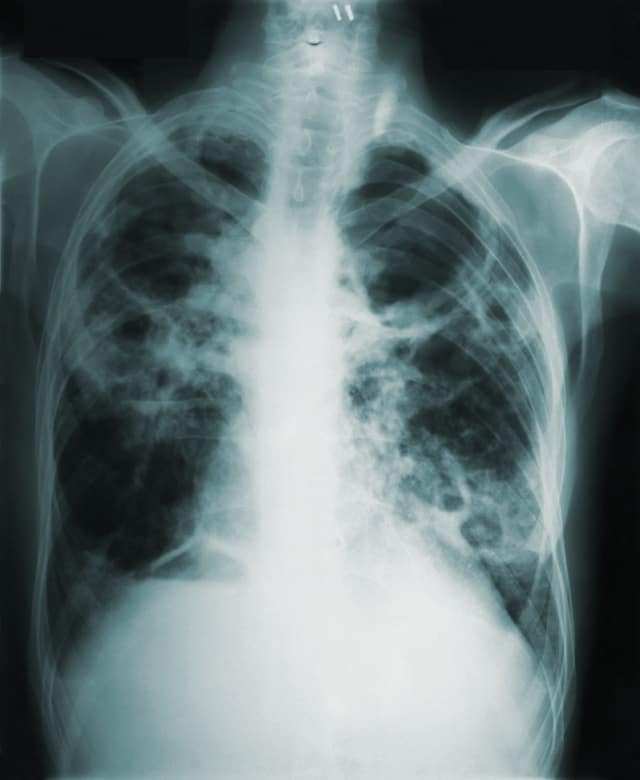
| Chest imaging | Usually normal or may show old, healed abnormalities | May show infiltrates, cavities, lymph-node enlargement, pleural disease or other active changes |
| Sputum testing | Not expected to demonstrate active pulmonary TB | PCR, microscopy and culture may identify M. tuberculosis |
| Purpose of treatment | Prevent future active TB | Cure active infection, prevent complications and stop transmission |
| Number of medicines | Usually one or two preventive medicines | Usually several active-TB medicines in combination |
Active tuberculosis can affect the lungs, lymph nodes, bones, spine, brain, kidneys, abdomen and almost any other organ. Read the related comprehensive guide to tuberculosis .
Symptoms that require assessment for active TB
- a cough lasting more than three weeks;
- coughing up blood or blood-stained sputum;
- unexplained weight loss;
- persistent fever or drenching night sweats;
- unexplained fatigue or loss of appetite;
- persistent swollen lymph nodes;
- chest pain or worsening breathlessness;
- new neurological symptoms or persistent spinal pain.
How is tuberculosis acquired?
TB is mainly spread through the air from someone with infectious TB affecting the lungs or throat. Transmission is more likely with prolonged indoor exposure than with brief casual contact.
Household exposure
People who live or spend prolonged time with someone with infectious pulmonary TB have a greater likelihood of exposure.
Poor ventilation
Risk is higher in crowded or poorly ventilated indoor spaces where infectious aerosols can accumulate.
Duration of contact
Repeated or prolonged exposure generally carries more risk than passing contact.
Infectiousness of the source case
Smear-positive pulmonary disease, cavitation and frequent coughing can increase transmission.
LTBI itself cannot spread
A person with latent infection does not need respiratory isolation and poses no infection risk to family, colleagues, children or other close contacts.
What is the risk of developing active TB?
Without preventive treatment, the average lifetime risk of active TB after infection is often estimated at approximately 5% to 10%. The risk is not distributed evenly and is greatest soon after infection and when immune control is impaired.
Recent infection
Progression is most likely during the first few years after infection, especially after close contact with infectious TB.
HIV infection
HIV significantly increases the risk that contained TB infection will progress to active disease.
Anti-TNF treatment
TNF is important in maintaining immune containment of TB. Blocking it can permit reactivation.
Organ transplantation
Transplant-related immunosuppression substantially increases progression risk.
Haematological malignancy
Blood cancers and their treatment can weaken cellular immune responses important for TB control.
Silicosis
Silica exposure and silicosis are strongly associated with increased active-TB risk.
Dialysis and kidney failure
Advanced renal disease impairs immunity and increases the risk of TB reactivation.
Young age
Infants and young children are more vulnerable to rapid progression and severe forms such as miliary or meningeal TB.
Immunosuppressive medicines
Prolonged corticosteroids and some biological or targeted therapies can increase risk.
Malnutrition
Poor nutritional status can reduce immune resilience and increase susceptibility to active disease.
Smoking
Smoking is associated with increased risks of TB infection, disease progression and poorer outcomes.
Diabetes
Diabetes is associated with impaired immune defence and a higher risk of active TB.
Who may be offered testing for latent TB?
Testing should be targeted to people whose risk of infection or progression is high enough that preventive treatment would be considered if the result is positive.
Close contacts
Household and other significant contacts of someone with infectious pulmonary or laryngeal TB are assessed through contact tracing.
Recent migrants from higher-incidence countries
NHS and UKHSA programmes may offer IGRA testing according to age, country of origin and time since UK entry.
Before biological treatment
Screening is commonly required before anti-TNF and other immunosuppressive therapies.
Before transplantation
Organ and haematopoietic stem-cell transplant pathways may include TB risk assessment and testing.
HIV care
People living with HIV may be tested according to exposure, country of origin, immune status and local specialist policy.
Dialysis
Advanced renal failure and dialysis increase progression risk and may justify testing before immunosuppression or transplant.
Occupational assessment
Healthcare and laboratory staff may be assessed according to previous exposure, work setting and occupational-health policy.
Secure or congregate settings
Local public-health programmes may test selected people in prisons, shelters or other settings with increased TB risk.
Testing without a management plan can be unhelpful
An IGRA or Mantoux test should generally be requested only when the result will influence treatment, contact management, occupational advice or planned immunosuppression.
Tests used to identify TB infection
Tuberculin skin test
How it works
A small amount of purified protein derivative is injected into the skin of the forearm.
Reading the test
A trained professional measures induration, not redness, approximately 48 to 72 hours later.
Limitations
BCG vaccination and exposure to some environmental mycobacteria may influence the result.
Interferon-gamma release assay
How it works
A blood sample measures immune-cell responses to selected M. tuberculosis antigens.
Advantages
One visit is usually sufficient, and previous BCG vaccination does not normally cause a positive result.
Limitations
Results may be negative or indeterminate in very recent infection or significant immune suppression.
QuantiFERON-TB
This IGRA measures interferon-gamma released into plasma after blood cells are exposed to TB-specific antigens.
T-SPOT.TB
This IGRA counts individual interferon-gamma-producing cells responding to selected TB antigens.
Blood testing for TB infection may be arranged as part of a broader specialist assessment. Read more about respiratory blood tests .
What TST and IGRA tests cannot tell you
They cannot prove active TB
A positive result can occur in latent or active infection. Active disease requires clinical and microbiological investigation.
They cannot date the infection
A positive test may reflect recent exposure or infection many years earlier.
They cannot measure infectiousness
Infectiousness is assessed from active pulmonary disease, symptoms and respiratory samples, not an IGRA or TST.
They cannot guarantee future disease
Most people with a positive test do not develop active TB, even without treatment.
A negative result is not absolute
Recent exposure, very young age, immune suppression or technical factors may produce a false-negative result.
Repeated tests may vary
Borderline immune responses and biological variation can produce conversion or reversion around the assay threshold.
The window period after exposure
Immune tests may not become positive immediately after exposure. Contact programmes may therefore repeat testing several weeks after the last infectious exposure.
What happens after a positive LTBI test?
- Review symptoms The clinician asks about cough, fever, night sweats, weight loss, haemoptysis and possible extrapulmonary symptoms.
- Review exposure history Contact with active TB, country of birth, travel, previous testing and past treatment are considered.
- Perform a clinical examination Findings that could suggest pulmonary or extrapulmonary TB are assessed.
- Arrange chest imaging A chest X-ray is usually required before preventive treatment. Further imaging may be needed if abnormalities are present.
- Obtain sputum or other samples when indicated Symptoms or abnormal imaging may require PCR, microscopy and culture for active TB.
- Assess progression risk Age, recent exposure, immune suppression and other medical conditions influence the benefit of treatment.
- Assess medicine risk Liver disease, pregnancy, alcohol use, interactions and previous drug reactions are reviewed.
- Agree preventive treatment or monitoring The final plan is made with the patient after discussing benefits, risks and alternatives.
Chest imaging can help distinguish latent infection from possible active or previously treated disease. Read about chest X-ray and CT imaging .
Who should receive preventive treatment?
Treatment decisions consider the likelihood of progression, the estimated benefit of preventive therapy, medicine toxicity and the patient’s preferences.
NICE treatment principle
NICE recommends offering treatment to people under 65 with latent TB after active TB has been excluded. In older adults, treatment is considered individually because medicine-related liver injury becomes more important with increasing age.
Recent close contacts
Recent infection carries greater short-term progression risk, strengthening the case for preventive treatment.
People living with HIV
The increased risk of active TB generally makes preventive therapy particularly important.
Before anti-TNF treatment
Preventive treatment is often required before or around the initiation of biological immunosuppression.
Transplant candidates
Treatment may be recommended before substantial transplant-related immunosuppression.
Children and young people
Younger age and recent exposure may confer a higher risk of severe or rapidly progressive disease.
Significant occupational or clinical risk
Individual circumstances, future exposure and planned treatment may influence the recommendation.
Treatment regimens used for latent TB
The regimen should be prescribed by a clinician experienced in TB treatment. Availability and recommendations differ between countries, and a regimen suitable elsewhere may not be the usual choice in the UK.
| Regimen | Typical duration | Important considerations |
|---|---|---|
| Daily isoniazid plus rifampicin | 3 months | Shorter UK regimen, but rifampicin has many clinically important drug interactions |
| Daily isoniazid | 6 months | Avoids rifampicin interactions but has a longer duration and requires assessment of liver and neuropathy risk |
| Daily rifampicin | Usually 4 months in selected guidance or circumstances | May be considered when isoniazid is unsuitable, subject to specialist policy and drug interactions |
| Weekly isoniazid plus rifapentine | 12 weekly doses in some international programmes | Not the routine standard regimen in every UK service; availability and suitability require specialist advice |
Treatment for drug-resistant exposure is different
If the source case has rifampicin-resistant or multidrug-resistant TB, routine drug-susceptible LTBI regimens may be ineffective. Management should be agreed by a specialist TB multidisciplinary team using the source organism’s susceptibility results.
Important medicines and side effects
Isoniazid
Main role
Isoniazid is active against M. tuberculosis and may be used alone or with rifampicin.
Important risks
Liver injury, nausea, rash and peripheral neuropathy can occur.
Pyridoxine
Vitamin B6 may be prescribed for people at increased risk of neuropathy, including pregnancy, diabetes or malnutrition.
Rifampicin
Main role
Rifampicin may be combined with isoniazid or used in a specialist-selected alternative regimen.
Important risks
Liver injury, gastrointestinal symptoms, rash and blood-cell abnormalities may occur.
Interactions
Rifampicin accelerates the metabolism of many medicines, including hormonal contraception and several anticoagulants.
Orange discolouration is expected with rifampicin
Rifampicin can turn urine, sweat, saliva and tears orange or red. This is usually harmless, although contact lenses may become permanently stained.
Safety checks before and during treatment
- Exclude active TB Symptoms, chest imaging and any necessary microbiology are reviewed before a preventive regimen begins.
- Review all medicines Prescription, over-the-counter and herbal products are checked for interactions.
- Assess liver risk Liver disease, alcohol intake, viral hepatitis, pregnancy and previous drug reactions are considered.
- Obtain baseline blood tests where indicated Liver function and other tests are selected according to the regimen and patient risk.
- Explain warning symptoms Patients should know which symptoms require stopping medication and obtaining urgent advice.
- Check adherence Missed doses, practical barriers and medicine tolerance are discussed at follow-up.
- Repeat blood tests when required Routine or symptom-triggered monitoring depends on baseline risk and the chosen drugs.
- Document treatment completion A record of the regimen and completion date is useful because immune tests may remain positive afterwards.
Stop the medicines and seek urgent clinical advice for:
- yellowing of the skin or eyes;
- dark urine with pale stools;
- persistent vomiting or severe loss of appetite;
- significant upper-abdominal pain;
- unusual weakness or profound fatigue;
- a widespread rash, blistering or facial swelling;
- new numbness, burning or tingling in the hands or feet;
- unexplained bleeding, bruising or severe illness.
Pregnancy, contraception and breastfeeding
TB infection during pregnancy requires individual assessment. The timing and choice of preventive treatment depend on recent exposure, HIV status, immune suppression, liver risk and the likelihood of progression.
Pregnancy
Treatment may be recommended during pregnancy when progression risk is high, while lower-risk treatment may sometimes be deferred after specialist review.
Pyridoxine
Vitamin B6 is generally prescribed with isoniazid during pregnancy and breastfeeding.
Hormonal contraception
Rifampicin can reduce the effectiveness of combined and progestogen-only hormonal contraception. Alternative protection is needed.
Breastfeeding
Breastfeeding is often possible during first-line TB treatment, but the individual regimen should be checked by the treating team.
What happens after treatment is completed?
The immune test may remain positive
A positive IGRA or TST commonly remains positive after successful preventive treatment and should not be used to prove cure.
Routine repeat treatment is not needed
Further treatment is not normally required unless there is a significant new exposure or another specialist indication.
Keep a treatment record
Retain documentation of the medicines, dates and completion, especially before future employment or immunosuppression.
Remain aware of TB symptoms
Preventive treatment greatly reduces risk but does not provide a complete lifetime guarantee against active TB.
Conclusion
Latent tuberculosis infection means that the immune system has recognised M. tuberculosis without evidence of active TB disease. People with LTBI have no TB symptoms and cannot infect others.
TST and IGRA testing can identify an immune response to TB, but neither test can distinguish latent from active disease, date the infection or predict precisely who will become unwell.
Active TB must be excluded through symptoms, clinical assessment, chest imaging and microbiology where necessary before preventive treatment begins.
The greatest treatment benefit is generally seen in people with recent infection or an increased risk of progression, including close contacts, people living with HIV and those preparing for major immunosuppression.
Common UK regimens include three months of isoniazid plus rifampicin or six months of isoniazid. Treatment must be selected and monitored individually because both medicines can affect the liver and rifampicin causes important drug interactions.
Patients with a positive TB test, abnormal chest imaging or an upcoming immunosuppressive treatment can arrange a specialist respiratory infection consultation to clarify diagnosis and preventive treatment.
Frequently asked questions
Can a person with latent TB spread tuberculosis?
No. People with LTBI do not have infectious pulmonary disease and cannot spread TB through coughing, sneezing or ordinary social contact.
Does a positive IGRA mean I have active TB?
No. A positive IGRA shows an immune response to TB antigens. Active disease must be assessed using symptoms, imaging and microbiology where appropriate.
Can a chest X-ray diagnose latent TB?
No. Chest imaging helps exclude active pulmonary TB and may show old disease, but latent infection is identified through exposure assessment and immune testing.
Does everyone with LTBI need treatment?
NICE recommends offering treatment to people under 65 after active disease is excluded. Treatment in older adults is more individualised because medicine toxicity becomes increasingly important.
What is the purpose of LTBI treatment?
The aim is to reduce the likelihood that contained TB infection will progress to active disease in the future.
How long does preventive treatment last?
Common UK regimens include three months of daily isoniazid plus rifampicin or six months of daily isoniazid.
Why is active TB excluded before treatment?
One or two preventive medicines are inadequate for active TB and could permit drug resistance if active disease is missed.
Does BCG vaccination affect the tests?
BCG can influence the tuberculin skin test, particularly when vaccination was recent or repeated. It does not normally cause a positive IGRA.
Can an IGRA be falsely negative?
Yes. Very recent infection, significant immune suppression, very young age or technical factors can produce a negative or indeterminate result.
Should the IGRA be repeated after treatment?
Usually not. The test often remains positive and does not confirm whether treatment has worked.
Can rifampicin affect contraception?
Yes. Rifampicin reduces the effectiveness of several hormonal contraceptives. Alternative contraception should be discussed before treatment.
Why does rifampicin turn urine orange?
Rifampicin and its metabolites naturally discolour urine, tears, saliva and sweat. This is usually harmless.
What side effects require urgent advice?
Yellow skin or eyes, dark urine, persistent vomiting, severe abdominal pain, widespread rash, facial swelling or new neuropathy require prompt clinical advice.
Can latent TB return after treatment?
Preventive treatment greatly reduces progression risk but does not prevent a new TB exposure or offer absolute lifelong protection.
References and further information
- National Institute for Health and Care Excellence. Tuberculosis. NICE guideline NG33, last updated February 2024. View the NICE tuberculosis guideline
- UK Health Security Agency. Latent TB infection: testing and treatment. Updated December 2025. View UKHSA LTBI guidance
- UK Health Security Agency. Tuberculosis diagnosis, screening, management and surveillance. View UK tuberculosis resources
- World Health Organization. Consolidated guidance on the programmatic management of latent tuberculosis infection. View WHO latent-TB guidance
- London Chest Specialist. Tuberculosis: a comprehensive guide. Read the complete tuberculosis guide
- London Chest Specialist. Blood tests for respiratory conditions. Read about respiratory blood tests
- London Chest Specialist. Chest imaging. Read about chest X-ray and CT imaging
- London Chest Specialist. Chronic-cough specialist assessment. Read about persistent-cough investigation