
Consultant Respiratory Physician in London

Bronchiectasis Diagnosis and Treatment in London

Specialist assessment and personalised treatment for bronchiectasis, with a clear plan focused on symptoms, infections and long-term lung health.

Consultant respiratory physician
Bronchiectasis expertise
Clinics in London

What is bronchiectasis?

Bronchiectasis is a long-term lung condition in which the bronchial tubes become permanently widened and are less able to clear mucus effectively.

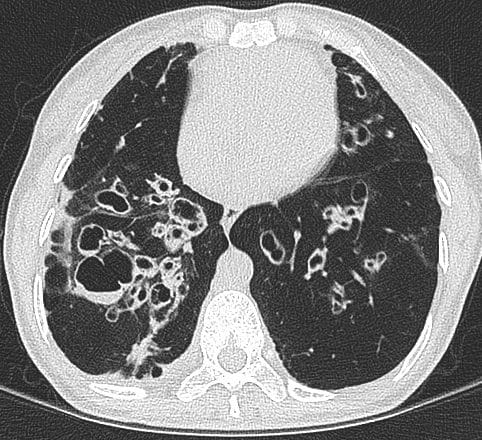
CT scan of the chest showing widened airways caused by bronchiectasis
CT chest imaging can show widened airways in people with bronchiectasis.

Permanent airway change

The airways become widened and do not return to their normal shape.
Mucus can build up

Damaged airways are less able to move mucus out of the lungs.

Infections may recur

Retained mucus can make it easier for infections and inflammation to develop.

Bronchiectasis ranges from mild, stable disease to more complex disease that needs regular monitoring, airway-clearance support and treatment to reduce chest infections and flare-ups.

Could you have bronchiectasis?

Bronchiectasis can cause ongoing respiratory symptoms and repeated chest infections.

Persistent cough

A wet cough that lasts for weeks or months, particularly after a chest infection or when it does not settle with usual treatment.

Regular phlegm or mucus

Producing mucus on most days, especially when it is difficult to clear, increases in volume or changes colour during a flare-up.

Repeated chest infections

Recurrent infections may require frequent or longer courses of antibiotics. Fever is not always a prominent symptom.

Breathlessness or wheeze

Shortness of breath during normal activity, wheezing, chest tightness or reduced exercise tolerance can occur.

Symptoms that keep returning

Cough, mucus or infections that improve temporarily but repeatedly return may need further investigation and a long-term care plan.

When to seek advice

Consider a specialist review

A review may be helpful for repeated infections, ongoing phlegm, an abnormal chest scan or a second opinion on your diagnosis or treatment.

Why see Dr Ricardo José for bronchiectasis?

Dr Ricardo José provides specialist assessment and personalised care for people with bronchiectasis across both the NHS and private sector.

He assesses new patients and runs follow-up bronchiectasis clinics. He also treats fungal and mycobacterial lung disease, immunodeficiency-related respiratory disease and primary ciliary dyskinesia. He cares for patients who need hospital treatment for bronchiectasis and complex respiratory infections.

This breadth of experience supports a detailed, evidence-based approach for people with newly diagnosed bronchiectasis, recurrent infections, frequent flare-ups or conditions that may contribute to ongoing respiratory symptoms.

14 hours of dedicated clinics each week
1,000+ NHS patient consultations each year

Dedicated NHS bronchiectasis and respiratory infection care

Dr Ricardo José provides specialist assessment and follow-up for people with bronchiectasis, complex or recurrent chest infections, immune deficiency and primary ciliary dyskinesia.

This includes patients with infections such as Pseudomonas, Aspergillus fumigatus and non-tuberculous mycobacterial lung disease, alongside those needing ongoing respiratory support.

Specialist private care for bronchiectasis

Dr José provides expert respiratory care for people who need a clear diagnosis, a more personalised treatment approach or ongoing support with complex bronchiectasis.

Learn more about Dr Ricardo José
  • Consultant respiratory physician with extensive experience in bronchiectasis care
  • Specialist in complex infections and conditions that may contribute to bronchiectasis
  • Experience with advanced treatment options
  • Collaborative care with respiratory physiotherapists and specialist multidisciplinary teams
  • Appointments available in leading private hospitals in London

Experience with complex cases

Dr José regularly sees people with recurrent infections, complex bronchiectasis and respiratory conditions that need specialist input.

Personalised treatment decisions

Recommendations are tailored to your symptoms, infection pattern, test results, daily life and individual treatment priorities.

Whether you have recently been diagnosed or are experiencing frequent flare-ups despite treatment, Dr José can provide expert guidance and ongoing respiratory support.

Patient feedback

What patients with bronchiectasis say

Independent feedback from patients seen by Dr Ricardo José.

★★★★★ Verified patient review

“I can’t praise Dr José highly enough. I was experiencing regular and long-lasting chest infections and had been misdiagnosed by another consultant, so I chose to see Dr José for a second opinion.

He is incredibly well-informed and thorough. After years of feeling dismissed by medical professionals, he helped me get an accurate diagnosis and gave me a clear treatment plan to manage my symptoms and avoid flare-ups. I feel relieved and so grateful.”

Patient seen for: Bronchiectasis

★★★★★ Verified patient review

“After struggling to receive the support I needed on the NHS, I decided to book a private appointment with Dr José.

He listened intently and was so knowledgeable. The information and advice he gave me was invaluable. As I could not afford private testing, he referred me back onto the NHS for these. I am so glad I chose to see him.”

Patient seen for: Bronchiectasis

★★★★★ Verified patient review

“Thank you so very much, Dr José, for all your care and kindness. I felt so reassured by the help you gave me today.

Thank you for all the detail and information you gave me about my complex medical issues.”

Patient seen for: Bronchiectasis

★★★★★ Verified patient review

“I was highly impressed with Dr José’s expertise, professionalism and bedside manner, and the way he explained my condition and future treatment.

He took on board all my concerns, including plans for travel abroad and how follow-up could work while I was outside the UK. It was one of those memorable appointments that patients do not experience often enough.”

Patient seen for: Bronchiectasis

Patient feedback is independently collected through Doctify.

What causes bronchiectasis?

Bronchiectasis can develop when the airways are damaged and become less able to clear mucus effectively. There may be one underlying cause, more than one contributing factor, or occasionally no identifiable cause.
Identifying the cause is an important part of specialist assessment, because it can influence treatment, infection prevention and longer-term monitoring.

Diagram showing how airway damage, mucus build-up, infection and inflammation can lead to bronchiectasis.

Bronchiectasis can develop through a continuing cycle of airway damage, mucus retention, infection and inflammation.

Conditions present from birth

Cystic fibrosis

A mutation in the cystic fibrosis transmembrane regulator gene (CFTR) on chromosome 7 can result in thick mucus that blocks ducts in several organs, including the lungs, pancreas, liver, intestines, cervix and vas deferens.

To develop cystic fibrosis, a person needs to inherit an abnormal gene from each parent. Diagnosis is made from the clinical history, a chloride sweat test and genetic testing.

Treatment differs from non-cystic-fibrosis bronchiectasis, particularly with newer medicines such as Kaftrio, which may be suitable for people with particular gene mutations.

Primary ciliary dyskinesia

Primary ciliary dyskinesia is also known as immotile cilia syndrome. It is an inherited condition associated with abnormalities in the cilia.

Cilia are tiny hair-like structures attached to cells lining the upper and lower respiratory tract, eustachian tubes, structures in the ears and the male vas deferens.

When cilia do not function normally, mucus is cleared poorly from the airways. This can lead to recurrent chest, sinus and ear infections, hearing loss and infertility.

During fetal development, cilia also help organs move into the correct position. Around half of people affected by primary ciliary dyskinesia may have dextrocardia, where the heart is on the right side of the chest, or situs inversus, where organs are positioned on the opposite side.

Reduced mucus clearance and recurrent chest infections can result in bronchiectasis.

Primary immunodeficiency

In primary immunodeficiency, parts of the immune system, such as immune cells or antibodies, are missing or do not function properly, usually because of genetic differences.

Primary immunodeficiency disorders include more than 300 conditions with a wide range of severity. They are commonly identified during childhood, although some milder conditions are diagnosed later in life.

Impaired immune function can predispose people to recurrent or severe infections that may take longer to improve with antibiotics. Infections may also involve opportunistic organisms that are more difficult to diagnose.

More information is available from Immunodeficiency UK. Where primary immunodeficiency is suspected, diagnosis is usually made through specialist laboratory testing under an immunologist.

Alpha-1 antitrypsin deficiency

Alpha-1 antitrypsin is a protein that neutralises proteases, such as neutrophil elastase, and helps protect organs including the lungs from damage caused by these proteins.

Alpha-1 antitrypsin deficiency is caused by a genetic mutation in the SERPINA1 gene, resulting in low levels of alpha-1 antitrypsin.

Low levels may leave the lungs less protected from inflammation after exposure to smoke, dust or chest infections. This can contribute to lung tissue damage.

People with alpha-1 antitrypsin deficiency are more likely to develop COPD at a younger age and can develop bronchiectasis. It is important not to smoke, and screening of close relatives may be recommended.

Abnormal airways

  • Tracheobronchomalacia, where the airway structure is weak.
  • Tracheobronchomegaly, where the trachea and main bronchi are abnormally dilated, also known as Mounier-Kuhn syndrome.
Acquired causes

Secondary immunodeficiency

The immune system can be affected by disease, medication and toxins. Reduced immune function can result in recurrent or severe infections that take longer to improve with antibiotics. Some infections may be due to opportunistic organisms that are more difficult to diagnose.

Common conditions associated with secondary immunodeficiency

  • Haematological malignancy, including chronic lymphocytic leukaemia, lymphoma, myeloma and myeloid leukaemia.
  • Acquired immunodeficiency syndrome caused by human immunodeficiency virus.
  • Congenital heart disease.
  • Protein loss, including protein-losing enteropathy, nephrotic syndrome, severe burns or dermatitis, and lymphatic loss.
  • Malnutrition.

Common treatments associated with secondary immunodeficiency

  • Chemotherapy.
  • Stem cell transplantation.
  • Solid-organ transplantation, including heart, kidney, lung and liver transplantation.
  • Immunosuppressive medication, including corticosteroids, mycophenolate, cyclophosphamide, melphalan, chlorambucil, sulphasalazine, methotrexate, imatinib, dasatinib, ibrutinib, fludarabine, azathioprine, phenytoin, carbamazepine, sodium valproate and lamotrigine.
  • Therapies targeting B cells, including rituximab, ocrelizumab, ofatumumab, epratuzumab, blinatumomab, alemtuzumab, daratumumab, belimumab and CAR-T cell treatment.

Pulmonary infections

Lung infections are among the most common causes of bronchiectasis.

These may include severe infections such as pneumonia and tuberculosis, or childhood infections that can affect the chest, including measles and whooping cough.

By the time bronchiectasis becomes problematic in adulthood, people may not recall earlier childhood infections. Aspiration pneumonia can also be an important cause, particularly in people with head and neck cancer or after a stroke.

Allergic bronchopulmonary aspergillosis

Allergic bronchopulmonary aspergillosis, often shortened to ABPA, is caused by an allergic immune reaction in the airways to moulds from the Aspergillus species.

A similar condition caused by allergy to other fungi is called allergic bronchopulmonary mycosis. These conditions usually occur in people with asthma and can cause breathlessness, wheeze, cough, coughing blood, mucus production and intermittent fevers.

Diagnosis is made clinically with investigations that confirm sensitisation to the fungus. Flitting consolidation, bronchoceles and obstructive lung-function test results can also support the diagnosis.

Treatment may involve inhaled corticosteroids, oral corticosteroids such as prednisolone, and antifungal medicines including itraconazole, voriconazole or posaconazole.

Foreign body or tumour obstruction

More commonly seen in children, an airway blocked by a foreign body can result in bronchiectasis beyond the blockage and recurrent infections.

A history of aspiration, for example during dental treatment, can be important. Diagnosis may be made using chest imaging or bronchoscopy.

Obstruction caused by a tumour can also result in bronchiectasis in the airways beyond the blockage.

Connective tissue disease

Connective tissue disorders are conditions where tissues containing collagen and elastin, such as tendons, ligaments, cartilage, skin and parts of the eyes, become inflamed.

Examples include:

  • Rheumatoid arthritis.
  • Scleroderma.
  • Systemic lupus erythematosus.
  • Granulomatosis with polyangiitis.
  • Eosinophilic granulomatosis with polyangiitis.
  • Polymyositis and dermatomyositis.

Blood tests may be used to identify specific auto-antibodies and help establish whether connective tissue disease is present.

Connective tissue disease can be associated with bronchiectasis. Sometimes bronchiectasis is identified before symptoms such as painful or swollen joints, rashes or other connective tissue disease features become apparent.

Ulcerative colitis

Ulcerative colitis is an inflammatory disorder of the colon that can cause loose stools, abdominal pain and bloody bowel movements. It may also cause fever, weight loss, fatigue and joint pain.

Diagnosis is usually made by a gastroenterologist using colonoscopy and biopsies of the lining of the bowel. A low faecal calprotectin result can make active inflammatory bowel disease less likely.

Although the exact mechanism is not fully understood, ulcerative colitis is associated with bronchiectasis.

When no specific cause is found

Idiopathic bronchiectasis

In some people, detailed assessment does not identify a single clear cause. This may be described as idiopathic bronchiectasis.

Even when no original cause is identified, specialist assessment can still establish the severity of bronchiectasis, identify infection risks and guide personalised treatment, airway clearance, flare-up management and prevention strategies.

A detailed specialist assessment can help identify potentially treatable causes, including immune problems, chronic infection, inherited conditions and airway obstruction.

Investigations for bronchiectasis

Diagnosing bronchiectasis usually involves several tests to confirm the condition, identify infections and look for underlying causes. These investigations help guide treatment and longer-term management.

CT scan and chest imaging

A high-resolution CT scan of the chest is the most important test for diagnosing bronchiectasis. It can show widened or damaged airways in detail.

A chest X-ray may also be performed, but CT scanning provides much more detailed information about the lungs and airways.

Sputum tests

Sputum samples are analysed to identify infections in the lungs. These cultures can look for bacteria, mycobacteria such as tuberculosis, and fungi.

Identifying the specific organism helps guide antibiotic treatment.

Lung function tests

Breathing tests measure how well the lungs are working and how easily air moves in and out of the airways.

They can also identify co-existing conditions such as asthma or airflow obstruction.

Blood tests

Blood tests may be used to look for inflammation and investigate possible underlying causes of bronchiectasis.

Depending on your clinical history, this may include tests of immune function or genetic testing where appropriate.

Tests for underlying causes

Additional investigations may be recommended where your age at diagnosis, symptoms, medical history or scan findings suggest a specific cause.

Cystic fibrosis screening

This may include a sweat chloride test and genetic testing, particularly in younger patients or where symptoms suggest cystic fibrosis.

Primary ciliary dyskinesia testing

Tests may include measurement of nasal nitric oxide, specialised nasal brush samples and genetic testing to assess how the cilia clear mucus from the airways.

Your investigations are selected according to your symptoms, infection history, scan findings and possible underlying causes.

How Dr Ricardo José treats bronchiectasis

Bronchiectasis treatment is tailored to your symptoms, scan findings, sputum results, lung function and the frequency of chest infections or flare-ups.

The aim is to improve mucus clearance, treat infection promptly, reduce future flare-ups and help you maintain the best possible quality of life. Your treatment plan may change over time as symptoms, sputum results and overall health change.

Understand the cause and severity

A detailed assessment helps identify any underlying cause of bronchiectasis, assess the extent of airway damage and establish the factors most likely to influence your long-term treatment plan.

Improve mucus clearance

Airway-clearance techniques and respiratory physiotherapy can help remove mucus more effectively, reduce congestion and lower the risk of repeated chest infections.

Treat infections promptly

Sputum cultures can help identify bacteria in the airways and guide antibiotic treatment when symptoms worsen or a chest infection is suspected.

Reduce future flare-ups

Prevention may include vaccination, inhaled treatment, regular sputum monitoring and—in selected people with frequent exacerbations— preventative antibiotic treatment under specialist review.

Diagnostic assessment and accuracy

A careful assessment is important because bronchiectasis can vary substantially from one person to another. Dr José will review your symptoms, previous infections, medical history, scan findings and current treatment.

Investigations may include a high-resolution CT scan, lung-function testing, sputum cultures and blood tests to look for possible underlying causes, immune problems or allergic conditions.

This helps confirm the diagnosis, assess severity and ensure that treatment is focused on the factors most relevant to you.

Airway clearance and respiratory physiotherapy

Clearing mucus effectively is a central part of bronchiectasis management. Retained mucus can increase cough, contribute to breathlessness and create an environment in which bacteria can multiply more easily.

Respiratory physiotherapy can teach practical airway-clearance techniques tailored to your symptoms, sputum volume, mobility and general health. These methods may be adjusted during a flare-up or when symptoms are more troublesome.

Breathing techniques

Controlled breathing and huffing techniques can help move mucus from smaller airways into larger airways so that it can be cleared more easily.

Devices and positioning

Some people benefit from handheld airway-clearance devices or positioning techniques that help mobilise mucus safely and effectively.

Regular review

Your physiotherapy plan should be reviewed if symptoms change, infections become more frequent or mucus is becoming harder to clear.

Sputum testing and antibiotics

Sputum cultures are useful because they can identify bacteria in the airways and show which antibiotics are likely to be most effective. Samples are particularly important when you have a worsening cough, more mucus, darker sputum, fever or increasing breathlessness.

Antibiotics may be prescribed for an active chest infection. The choice and duration will depend on your symptoms, sputum result, previous culture history, antibiotic sensitivities and any medication allergies.

A positive sputum result does not always mean that you need antibiotics immediately. Treatment decisions should consider the result alongside your symptoms and overall clinical condition.

Inhalers, nebulisers and other treatments

Some people benefit from inhaled treatment, particularly if they also have asthma, COPD, wheeze or airway narrowing. Inhalers may help improve airflow and reduce breathlessness in the right clinical setting.

Nebulised treatment may be considered when mucus is difficult to clear or when other inhaled medicines are needed. The right approach depends on your symptoms, lung function and previous response to treatment.

Treatment should be reviewed regularly to ensure that it remains helpful and does not add unnecessary complexity to your day-to-day routine.

Preventing repeated flare-ups

Prevention is an important part of bronchiectasis care, especially for people who have frequent chest infections or recurrent exacerbations.

This may include regular airway clearance, keeping vaccinations up to date, identifying and treating contributing conditions, and having a clear plan for what to do when symptoms worsen.

In selected people with repeated flare-ups, long-term preventative antibiotics may be considered under specialist supervision. This decision requires a careful review of sputum results, infection frequency, potential side effects and antibiotic resistance.

Managing an exacerbation or flare-up

A flare-up is a noticeable worsening of your usual symptoms. You may develop more coughing, increased mucus, darker or thicker sputum, worsening breathlessness, fatigue, chest discomfort, fever or a general feeling of being unwell.

Contact your GP, respiratory team or clinician promptly if symptoms are worsening or not settling. You may be advised to provide a sputum sample, start antibiotics, increase airway clearance or arrange an urgent review.

Seek urgent medical help for severe or rapidly worsening breathlessness, chest pain, confusion, blue or grey lips, fainting, or coughing up more than a small streak of blood.

Ongoing monitoring and personalised review

Bronchiectasis is a long-term condition, but its impact can change over time. Regular review helps identify changes in symptoms, infection frequency, sputum results, lung function and treatment needs.

Dr José can help coordinate a plan that considers your symptoms, imaging, microbiology, physiotherapy needs and wider health. The aim is to provide practical treatment that fits your condition and your day-to-day life.

A personalised treatment plan can help improve mucus clearance, reduce infections and flare-ups, and support you in managing bronchiectasis with greater confidence.

What happens at your consultation?

Your appointments with Dr Ricardo José are structured to clarify your diagnosis, assess the severity of bronchiectasis and create a personalised plan for treatment and ongoing care.

Review your history and existing results

Dr Ricardo José reviews your symptoms, chest infections, sputum history, previous treatments, CT scans, lung function, microbiology and relevant medical history.

Plan a personalised assessment

Where the diagnosis or cause is uncertain, further assessment may be arranged to identify bronchiectasis, its underlying cause, severity and associated risk factors.

Put a personalised treatment plan in place

Recommendations may include airway-clearance treatment, respiratory physiotherapy, infection management, medication review and practical strategies to reduce flare-ups.

Review progress and monitor your condition

Follow-up reviews can monitor symptoms, infections and lung health, helping identify complications or progression early and allowing treatment to be adjusted where needed.

Bronchiectasis care check

Are You Receiving Expert Bronchiectasis Care?

Answer these questions to see whether key areas of recommended bronchiectasis care may have been addressed. This tool is educational and does not replace clinical review.

Questions completed 0 of 12
Medical disclaimer: this questionnaire is for general educational information only. It is not a diagnosis, does not assess individual risk, and should not be used to make treatment decisions without advice from a qualified healthcare professional. Bronchiectasis care should be personalised according to symptoms, exacerbation history, sputum microbiology, CT findings, lung function, other medical conditions and patient preferences.
Private bronchiectasis appointment

Need help with diagnosis or treatment?

Contact Dr Ricardo José today to arrange a specialist assessment and personalised care.

Read more about bronchiectasis here

Bronchiectasis complications
Understanding Bronchiectasis: A Look into its Complications
Cystic Bronchiectasis
Finding Your Best Bronchiectasis Doctor and Treatment Strategies
Oxygen mask
Airway clearance in bronchiectasis

Frequently asked questions

Clear answers to practical questions about living with bronchiectasis, treatment and when to seek medical advice.

What is the best treatment for bronchiectasis?

There is no single treatment that is right for everyone. Management is personalised and usually focuses on clearing mucus, treating infections promptly and reducing the chance of future flare-ups.

Treatment may include airway-clearance physiotherapy, antibiotics for infections, inhaled or nebulised treatments, vaccination and, for some people with frequent exacerbations, preventative antibiotics, or cyclical admissions for intravenous antibiotics.

What is an exacerbation or flare-up, and what should I do?

A flare-up is a worsening of your usual symptoms over 48 hours, often due to an infection. You may notice more coughing, increased or darker mucus, worsening breathlessness, chest discomfort, fatigue, fever, coughing blood or a general feeling of being unwell.

Contact your GP, respiratory team or the clinician managing your bronchiectasis early, particularly if symptoms are worsening or not settling. Your treatment plan may include providing a sputum sample, antibiotics and temporarily increasing airway-clearance treatment.

What is the life expectancy of someone with bronchiectasis?

Life expectancy with bronchiectasis varies widely. It depends on factors such as the severity of the condition, its underlying cause, the frequency of infections or flare-ups, lung function and how well the condition is controlled with treatment.

Many people with mild or well-controlled bronchiectasis can have a normal or near-normal lifespan. More severe disease, frequent infections, hospital admissions or complications affecting lung function can affect long-term outlook.

To learn more about how doctors assess disease severity, future exacerbation risk and prognosis, read Prognosis of Bronchiectasis: How Accurate Are FACED, BSI and Other Scoring Systems?.

Is bronchiectasis contagious?

Bronchiectasis itself is not contagious. You cannot pass the underlying airway damage from one person to another.

However, some chest infections can spread between people, depending on the infection causing them. Good hand hygiene, covering coughs and sneezes, and avoiding close contact with people when you are acutely unwell can help reduce the chance of passing on an infection.

Can bronchiectasis be cured?

The widening and scarring of the airways cannot usually be reversed, so bronchiectasis is generally considered a long-term irreversible condition.

Treatment can still make a significant difference. With an individualised plan, many people can improve mucus clearance, reduce symptoms burden, reduce infections and flare-ups, maintain activity and feel more confident managing their symptoms.

When should I seek urgent medical help?

Seek urgent medical help if you have severe or rapidly worsening breathlessness, chest pain, confusion, fainting, blue or grey lips, or are coughing up more than a small streak of blood.

Call 999 or attend A&E if you feel seriously unwell. Contact your GP, respiratory team or NHS 111 promptly if you have a significant worsening of cough, mucus, fever, breathlessness or fatigue, particularly if you have a known lung condition or a personalised flare-up plan.

Can I travel with bronchiectasis?

Many people with stable bronchiectasis can travel, including by air. It is sensible to plan ahead, take enough medication for the whole trip and keep important medicines in hand luggage.

Speak with your clinician before travelling if you have recently had a flare-up, need oxygen, have significant breathlessness, have frequent infections or are planning travel to a remote destination. You may need a written summary of your condition, an updated treatment plan or advice about travel insurance.

Can bronchiectasis affect sleep, fatigue and day-to-day activities?

Yes. Persistent coughing, mucus production, breathlessness and recurrent infections can disrupt sleep and contribute to tiredness during the day. Fatigue may also be more noticeable during a flare-up or while recovering from an infection.

Symptoms can affect work, social activities, exercise and confidence when leaving home. A personalised plan can help address these issues by improving airway clearance, treating infection appropriately and reviewing other possible contributors to tiredness or poor sleep.

Symptoms can affect work, social activities, exercise and confidence when leaving home. A personalised plan can help address these issues by improving airway clearance, treating infection appropriately and reviewing other possible contributors to tiredness or poor sleep.

Read more about fatigue in bronchiectasis and ways to manage it.

These answers provide general information and do not replace an individual medical assessment. Your diagnosis and treatment plan should be based on your symptoms, scan findings, sputum results and overall health.